
Summary
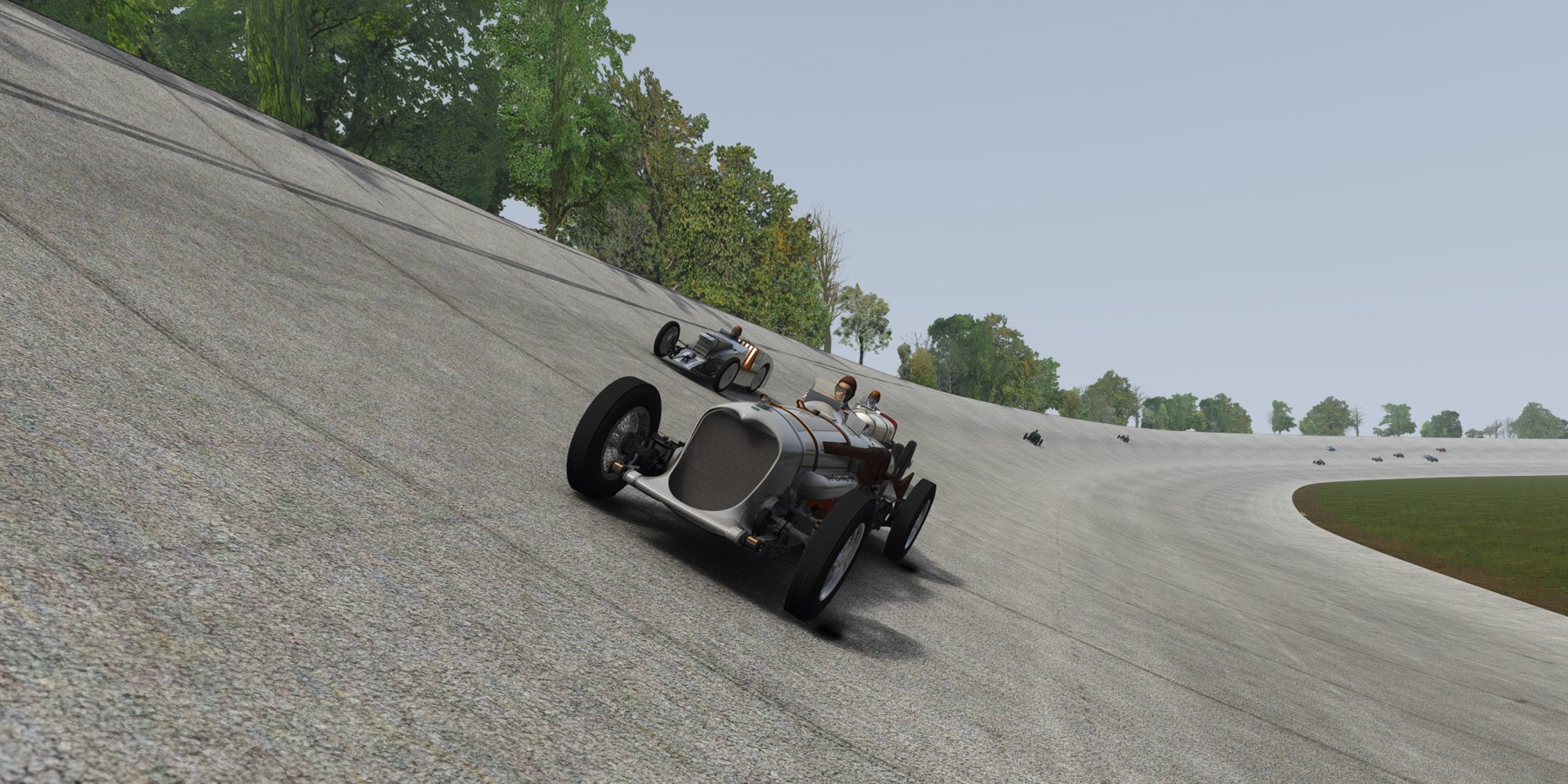
In this ambitious championship we race with plethora of cars from that era. Each driver will have a budget with wich he can manage his cars that he will be racing. The system rewards clean driving and crashing a lot will make the success very hard in the series. So maybe more than ever this championship is more all about to perform cleanly.
Register for the championship
You will need to register your participation. It can be done with a separate form. Click on the button to get there.
Race format
| Practice server | Open all the time during championship | |
| Practice / Qualification | 120 min | At 16:00 UTC |
| Race | See race schedule below | At 18:00 UTC |
Most of the races in 20's and 30's didn't have starting grid positions arranged by qualification session like today, but by ballot so it was random. Similarly we use random grid for such races in this championship on those races that had that system in place back in the days. In the 20's they even let the drivers go one by one from the grid to avoid accidents in the starts. We simulate that too on some races so that the pole driver leaves first and when he is on the move the second driver can leave etc. so that the start will happen as a smooth train of cars.
Needed mods
The championship uses multiple mods as the schedule progresses throughout the years. Some of the mods are paid. Mods are modified by CVR to make them more suitable for this championship for example the tyre model and fuel consumption is made similar and some CSP physics and lua scripts are implemented to give additional realism to the cars. The mods are available to download at CVR's Discord.
We also want to use seemingly dynamic weather and even possibility of rain so therefore we require the latest SOL/Pure and CSP (atm requires paid preview from Ilja's Patreon) versions that support that.
Used cars
Here is a list of used cars. Each car will be available to purchase in the year the car is manufactured matching the race year. For example the Delage 15S8 is manufactured in year 1927 so it can be purchased first for 1927 Nürburgring Eröffnungsrennen race and for every race after that.
For pit service times the smaller is faster so for example 1/5 is way faster than 4/5. Sic! table still WIP from '36 cars onward as specs need to be updated once mods are finished.
| Year | Car | Power (bhp) | Weight (kg) | P/W ratio | Fuel tank | Consumption (l/100 km) | Pit: Refuel (sec/l) | Pit: Tyres (sec) | Pit: Repair | Price |
|---|---|---|---|---|---|---|---|---|---|---|
| 1922 | Fiat 804 | 92 | 856 | 0,11 | 120 | 23,7 | 0,75 | 90 | 1/5 | 40 000 |
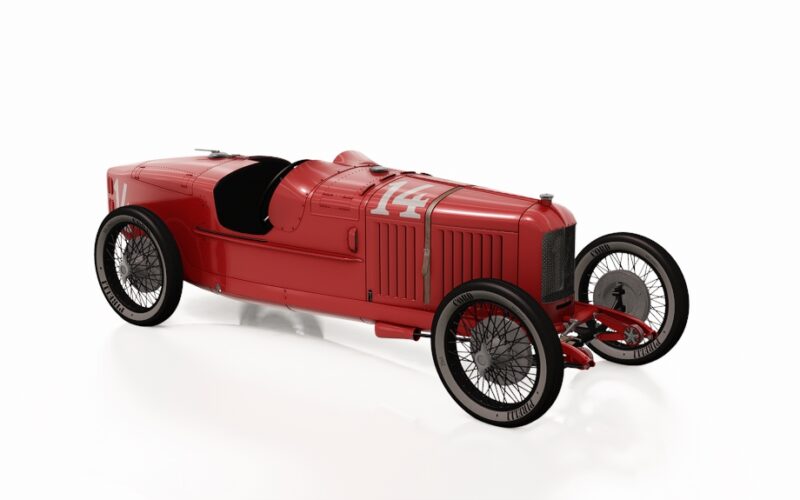 |
The 1922 Fiat 804 was a pioneering Grand Prix car that marked Fiat's dominance in early 1920s racing. Powered by a 2.0-liter inline-6 engine, it produced 92 horsepower, achieving speeds of over 169 km/h—remarkable for its time. The car featured a lightweight chassis with rigid beam axles and semi-elliptical leaf springs, typical of the era, but prone to stress under racing conditions. With its aerodynamic, streamlined bodywork and focus on reliability, the Fiat 804 secured victories, most notably in the 1922 French Grand Prix, solidifying its place as a benchmark in early GP car design. Instruments:
| |||||||||
| 1922 | Rolland-Pilain A22 | 76 | 876 | 0,09 | 120 | 19,8 | 0,75 | 90 | 1/5 | 30 000 |
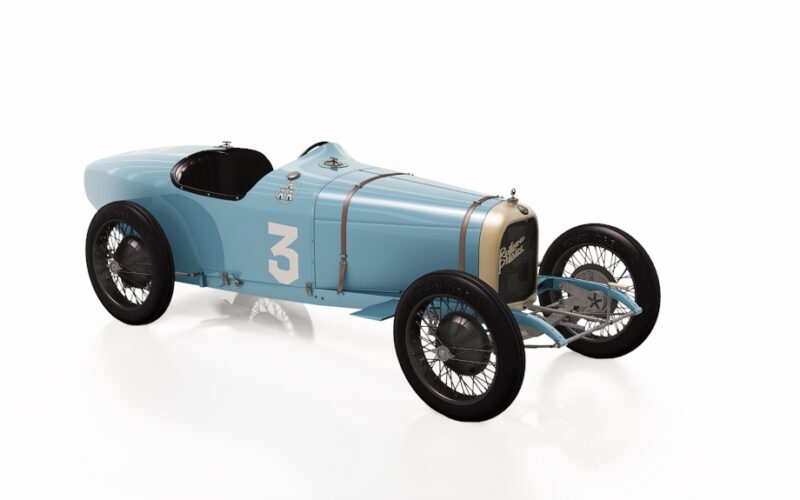 |
The Rolland-Pilain A22 Grand Prix car was a racing car produced by Rolland-Pilain in the 1920s. It was powered by a 2.0-liter inline-six engine that produced around 80 horsepower. The A22 achieved some success in various Grand Prix races, including finishing in the top ten at the 1923 French Grand Prix, and is also notable for being one of the first racing cars to feature an all-enveloping bodywork design. Despite its promising start, Rolland-Pilain was unable to sustain its success in racing, and the company ceased production in the late 1920s. A22 is clearly the slowest car on the 1923 lineup, but it can be the safest option if you aim to minimize the risk of accidents and collect credits to strike later in the championship. Instruments:
| |||||||||
| 1923 | Fiat 805 | 118 | 896 | 0,13 | 120 | 35,9 | 0,75 | 90 | 1/5 | 50 000 |
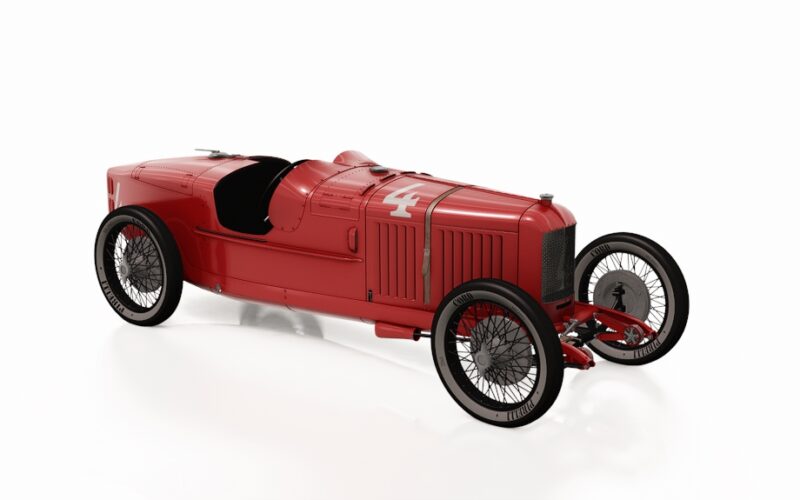 |
The Fiat 805 was a Grand Prix car produced by Fiat in the 1920s. It featured a supercharged 1.5-liter inline-eight engine that produced around 115 horsepower, and was driven by famous drivers such as Tazio Nuvolari and Louis Chiron. The Fiat 805 was known for its advanced engineering, including a 5-speed manual transmission and hydraulic brakes, and achieved some success in various racing events, including winning the 1927 Coppa Acerbo. However, it was ultimately overshadowed by other racing cars of the era, and production ceased in the early 1930s. Instruments:
| |||||||||
| 1923 | Delage 2CLV | 105 | 894 | 0,12 | 120 | 23,7 | 0,75 | 90 | 1/5 | 37 000 |
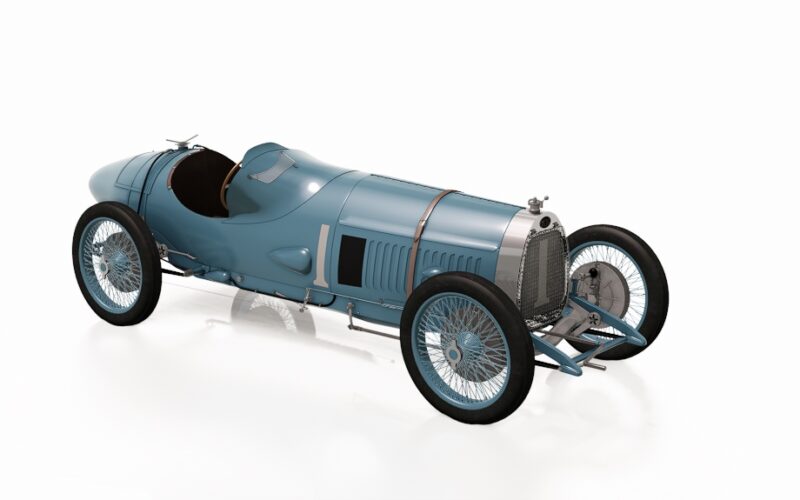 |
The 1923 Delage 2LCV was a Grand Prix car designed by engineer Charles Planchon for the French automaker Delage. It featured a 2-liter inline-4 engine that produced around 80 horsepower and was capable of reaching a top speed of 110 mph. The car was known for its advanced design, including a lightweight aluminum body and advanced suspension system. The Delage 2LCV achieved some racing success, including a win at the 1924 San Sebastian Grand Prix, and paved the way for future racing cars from Delage. This french car is quite competitive on the 1923 lineup, only being second to Fiat 805. Instruments:
| |||||||||
| 1923 | Sunbeam Grand Prix | 108 | 865 | 0,12 | 120 | 25,1 | 0,75 | 90 | 1/5 | 40 000 |
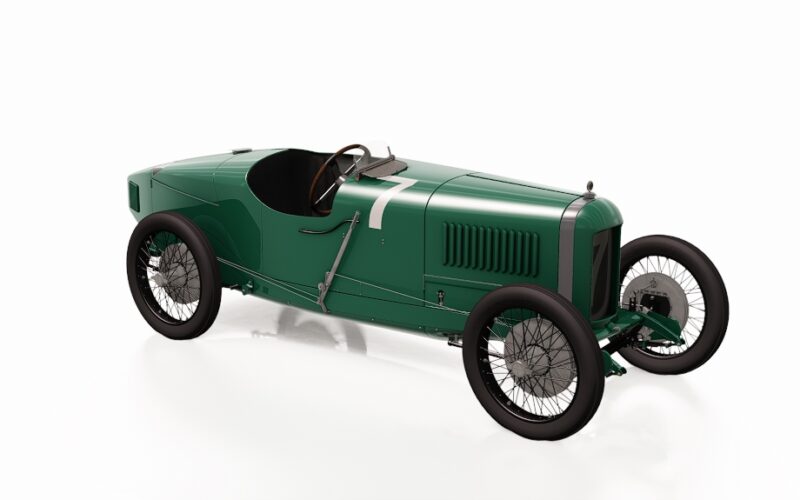 |
The 1923 Sunbeam Grand Prix car was a racing car produced by Sunbeam in the early 1920s. It was powered by a 2.0-liter inline-six engine that produced around 120 horsepower. The Sunbeam Grand Prix car achieved some success in various racing events, including winning the 1923 French Grand Prix, and is notable for being one of the first racing cars to feature hydraulic brakes. Despite its successes, the Sunbeam Grand Prix car was ultimately overshadowed by other racing cars of the era and production ceased in the late 1920s. This British Grand Prix car is also on the stronger side of the 1923 lineup beineg very balanced race car. Very good choice for value for money. Instruments:
| |||||||||
| 1923 | Bugatti Type 32 | 90 | 850 | 0,11 | 95 | 23,7 | 0,75 | 90 | 1/5 | 32 000 |
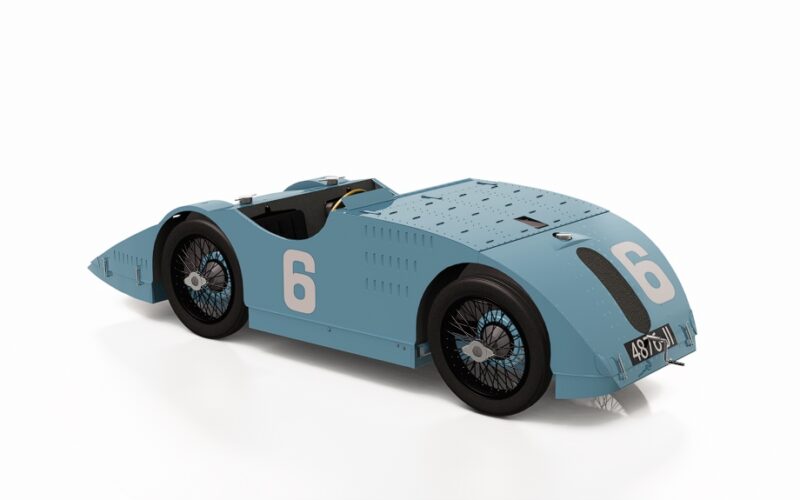 |
The Bugatti Type 32 Grand Prix car, also known as the "Tank" due to its unique bodywork design, was a racing car produced by Bugatti in the 1920s. It was powered by a 2.0-liter inline-eight engine that produced around 90 horsepower. The Type 32 was designed to be highly aerodynamic, with its bodywork resembling a large teardrop-shaped tank, and achieved some success in various Grand Prix races, including winning the 1923 Grand Prix de Tours. Despite its innovative design, the Type 32 was ultimately overshadowed by Bugatti's more successful Type 35 and only a few examples were produced. The Bugatti Type 32, commonly called the Tank de Tours, was a streamlined racing car built in 1923. It's on a weaker side of the 1923 lineup, but on the high speed tracks it can reach pretty high speed, but the short wheelbase is not the most stable one. Instruments:
| |||||||||
| 1923 | Voisin C6 Laboratoire | 80 | 942 | 0,08 | 98 | 21,0 | 0,75 | 90 | 1/5 | 25 000 |
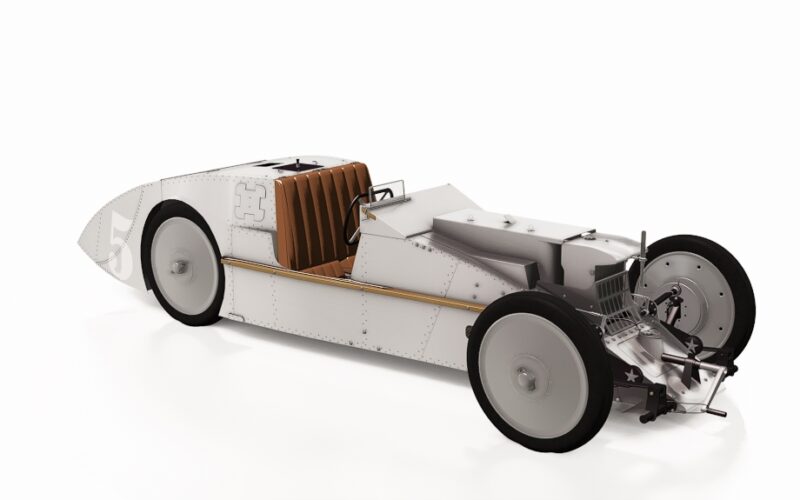 |
The Voisin C6 Laboratoire was a prototype Grand Prix car designed by Gabriel Voisin in the early 1920s. It featured a lightweight aluminum body and was powered by a 4.9-liter V12 engine that produced around 130 horsepower. The Voisin C6 Laboratoire was innovative for its time, featuring advanced aerodynamics and a front-wheel-drive system. However, it only competed in a few races, including the 1923 French Grand Prix, where it failed to finish due to mechanical issues. Despite its lack of racing success, the Voisin C6 Laboratoire is considered an important milestone in automotive engineering and design. Instruments:
| |||||||||
| 1924 | Alfa Romeo P2 | 135 | 935 | 0,14 | 122 | 39,8 | 0,7 | 85 | 1/5 | 50 000 |
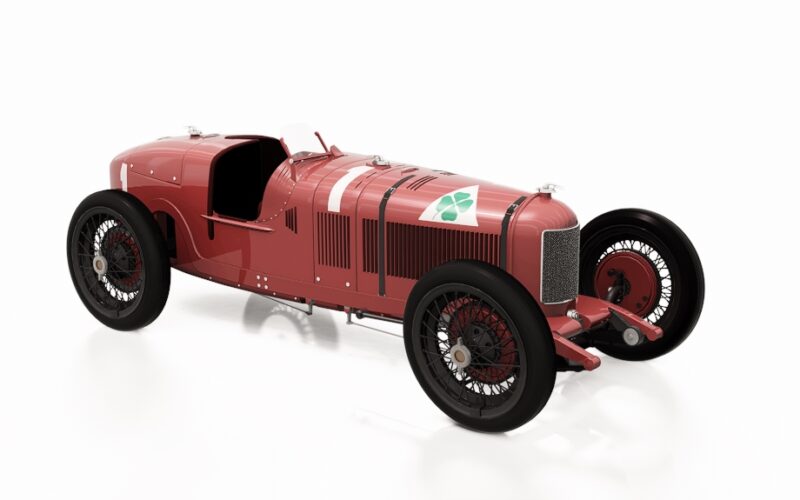 |
From 1924 to 1930 the P2 was victorious in 14 Grands Prix and major events including the Targa Florio. It was one of the iconic Grand Prix cars of the 1920s. The car was the first creation of Alfa's new designer Vittorio Jano who had been recruited from Fiat by Enzo Ferrari when Nicola Romeo scrapped the P1 after its poor performance in the 1923 Monza Grand Prix against Fiat. The P2 was powered by Alfa's first straight-8 cylinder supercharged engine with 2 carburettors placed after the compressor. Instruments:
| |||||||||
| 1924 | Bugatti Type 35 | 91 | 865 | 0,11 | 120 | 22,4 | 0,7 | 85 | 1/5 | 29 000 |
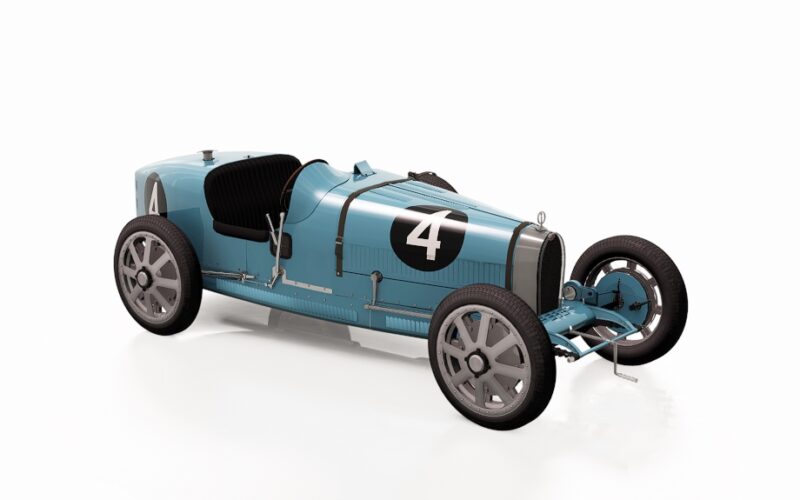 |
The Bugatti Type 35 Grand Prix car was a racing car produced by Bugatti in the 1920s. It was powered by a 2.0-liter inline-eight engine that produced around 90 horsepower. The Type 35 achieved great success in various Grand Prix races, winning over 1,000 races and multiple championships in the hands of famous racing drivers such as Tazio Nuvolari and Achille Varzi. The Type 35 is also known for its distinctive design, featuring Bugatti's trademark horseshoe-shaped radiator grille and elegant bodywork. Instruments:
| |||||||||
| 1924 | Fiat 805 | 145 | 984 | 0,15 | 120 | 40,2 | 0,7 | 85 | 1/5 | 42 000 |
|
The Fiat 805 was a Grand Prix car produced by Fiat in the 1920s. It featured a supercharged 1.5-liter inline-eight engine that produced around 115 horsepower, and was driven by famous drivers such as Tazio Nuvolari and Louis Chiron. The Fiat 805 was known for its advanced engineering, including a 5-speed manual transmission and hydraulic brakes, and achieved some success in various racing events, including winning the 1927 Coppa Acerbo. However, it was ultimately overshadowed by other racing cars of the era, and production ceased in the early 1930s. Instruments:
| |||||||||
| 1924 | Sunbeam Grand Prix | 138 | 977 | 0,14 | 120 | 40,0 | 0,7 | 85 | 1/5 | 40 000 |
|
The 1924 Sunbeam Grand Prix car was a racing car produced by Sunbeam in the early 1920s. It was powered by a 2.0-liter inline-six engine that produced around 140 horsepower. The Sunbeam Grand Prix car achieved some success in various racing events and its reliability proved to be great advance. Despite its successes, the Sunbeam Grand Prix car was ultimately overshadowed by other racing cars of the era and production ceased in the late 1920s. This British Grand Prix car is also on the stronger side of the 1924 lineup beineg very balanced race car. Very good choice for value for money. Instruments:
| |||||||||
| 1924 | Delage 2CLV | 120 | 870 | 0,14 | 150 | 27,3 | 0,7 | 85 | 1/5 | 45 000 |
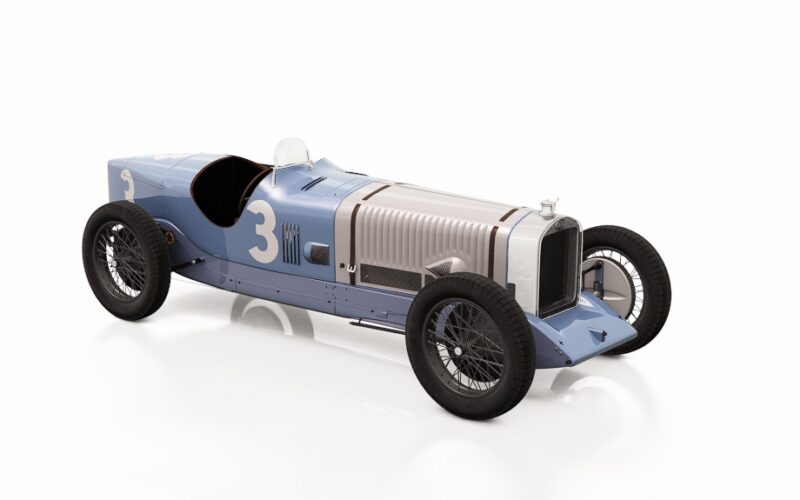 |
The 1924 Delage 2LCV was a cutting-edge Grand Prix car designed to compete in the fiercely competitive 2-liter formula of the 1920s. Powered by a 1,988 cc supercharged V12 engine, it produced around 120 horsepower, making it one of the most powerful GP cars of its time. Its advanced engineering included dual overhead camshafts and a lightweight chassis, which helped it reach speeds of over 192 km/h. While prone to mechanical fragility, the 2LCV showcased Delage’s ambition and innovation, cementing its place as a symbol of early motorsport ingenuity. Instruments:
| |||||||||
| 1925 | Sunbeam Grand Prix | 150 | 902 | 0,17 | 120 | 42,4 | 0,666 | 80 | 1/5 | 35 000 |
|
The 1924 Sunbeam Grand Prix car was a racing car produced by Sunbeam in the early 1920s. It was powered by a 2.0-liter inline-six engine that produced around 140 horsepower. The Sunbeam Grand Prix car achieved some success in various racing events and its reliability proved to be great advance. Despite its successes, the Sunbeam Grand Prix car was ultimately overshadowed by other racing cars of the era and production ceased in the late 1920s. This British Grand Prix car is also on the stronger side of the 1924 lineup beineg very balanced race car. Very good choice for value for money. Instruments:
| |||||||||
| 1925 | Delage 2CLV | 190 | 890 | 0,21 | 150 | 47,8 | 0,666 | 80 | 1/5 | 50 000 |
|
The 1925 Delage 2LCV was a cutting-edge Grand Prix car designed to compete in the fiercely competitive 2-liter formula of the 1920s. Powered by a 1,988 cc supercharged V12 engine, it produced around 190 horsepower, making it one of the most powerful GP cars of its time. Its advanced engineering included dual overhead camshafts and a lightweight chassis, which helped it reach speeds of over 192 km/h. While prone to mechanical fragility, the 2LCV showcased Delage’s ambition and innovation, cementing its place as a symbol of early motorsport ingenuity. Instruments:
| |||||||||
| 1925 | Bugatti Type 35 | 95 | 790 | 0,12 | 120 | 23,7 | 0,666 | 80 | 1/5 | 22 000 |
|
The Bugatti Type 35 Grand Prix car was a racing car produced by Bugatti in the 1920s. It was powered by a 2.0-liter inline-eight engine that produced around 96 horsepower. The Type 35 achieved great success in various Grand Prix races, winning over 1,000 races and multiple championships in the hands of famous racing drivers such as Tazio Nuvolari and Achille Varzi. The Type 35 is also known for its distinctive design, featuring Bugatti's trademark horseshoe-shaped radiator grille and elegant bodywork. Instruments:
| |||||||||
| 1925 | Alfa Romeo P2 | 155 | 865 | 0,18 | 145 | 42,4 | 0,666 | 80 | 1/5 | 45 000 |
|
From 1924 to 1930 the P2 was victorious in 14 Grands Prix and major events including the Targa Florio. It was one of the iconic Grand Prix cars of the 1920s. The car was the first creation of Alfa's new designer Vittorio Jano who had been recruited from Fiat by Enzo Ferrari when Nicola Romeo scrapped the P1 after its poor performance in the 1923 Monza Grand Prix against Fiat. The P2 was powered by Alfa's first straight-8 cylinder supercharged engine with 2 carburettors placed after the compressor. Instruments:
| |||||||||
| 1926 | Delage 15 S8 | 160 | 930 | 0,17 | 150 | 62,4 | 0,6 | 75 | 2/5 | 50 000 |
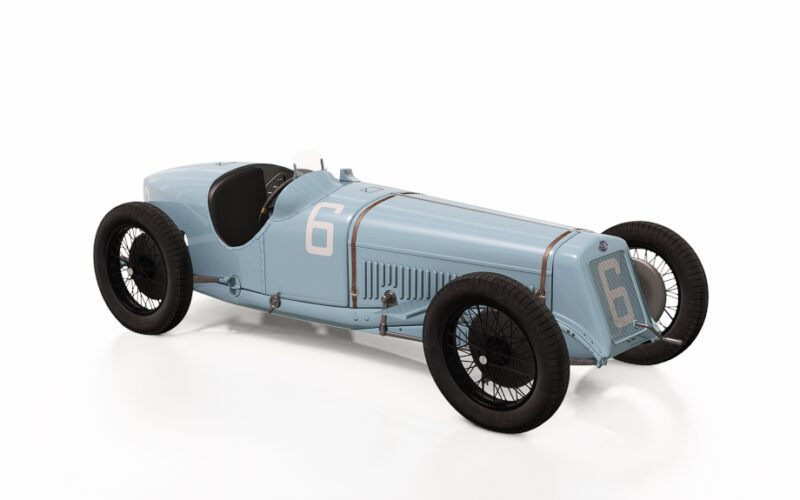 |
The Delage 15S8 Grand Prix car was a racing car produced by Delage in the 1920s. It was powered by a 1.5-liter supercharged inline-eight engine that produced around 160 horsepower. The 15S8 achieved some success in various Grand Prix races, including winning the 1927 British Grand Prix, and is also notable for being driven by famous racing drivers such as Louis Chiron and Dick Seaman (See the Seaman version below). The 15S8 is also known for its advanced engineering, including the use of four-wheel hydraulic brakes and an independent front suspension system. Instruments:
| |||||||||
| 1926 | Amilcar CGSS Voiturette | 83 | 625 | 0,13 | 80 | 28,3 | 0,6 | 75 | 2/5 | 15 000 |
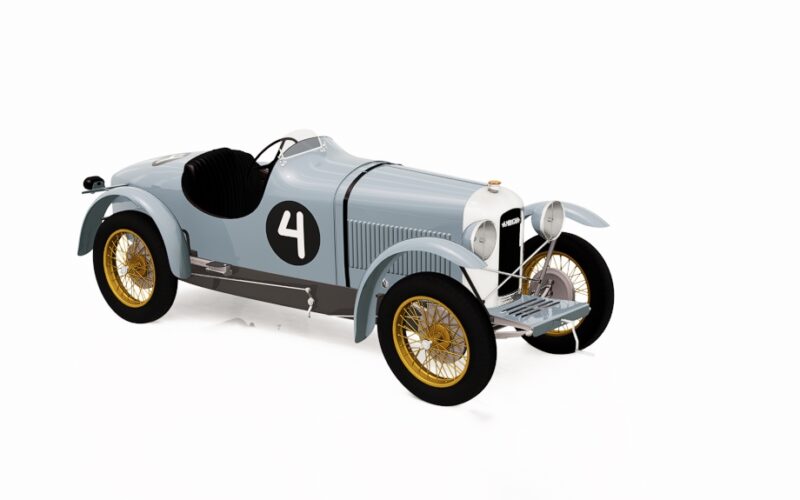 |
The Amilcar CGSS was produced from 1926 to 1929. The Amilcar's racing team supercharged the 1.1L I4 engine, which produced 83bhp at 4800rpm, to compete in Voiturette racing events around the world. The Amilcar CGSS would go on to dominate Voiturette class racing throughout the late 1920s. Instruments:
| |||||||||
| 1926 | Bugatti T35C | 125 | 850 | 0,15 | 120 | 37,6 | 0,6 | 75 | 2/5 | 30 000 |
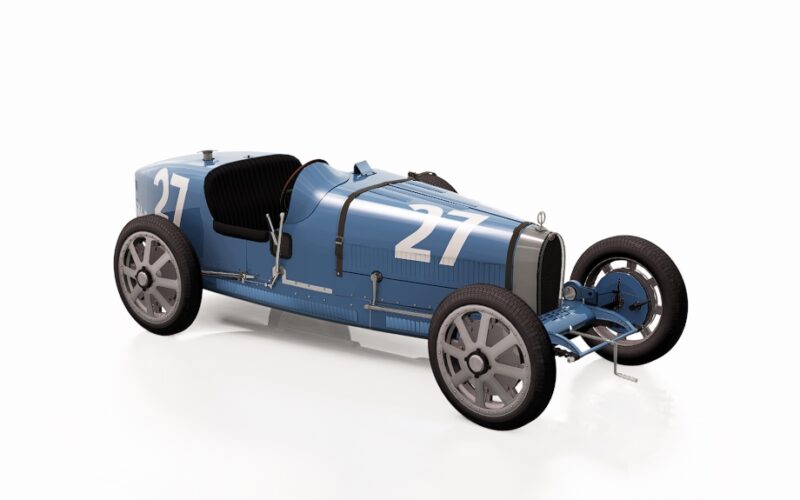 |
The 1926 Bugatti Type 35C was an evolution of Bugatti's legendary Type 35, regarded as one of the most successful racing cars of the era. Equipped with a 2.0-liter straight-8 engine and a Roots supercharger, it delivered around 125 horsepower, offering exceptional performance and reliability. Lightweight, with its signature hollow front axle and alloy wheels, the T35C excelled in handling and durability. Combining elegance with engineering precision, it became a dominant force in Grand Prix racing, securing countless victories and solidifying Bugatti’s legacy in motorsport history. Instruments:
| |||||||||
| 1926 | Bugatti T39a | 120 | 825 | 0,15 | 120 | 37,6 | 0,6 | 75 | 2/5 | 21 000 |
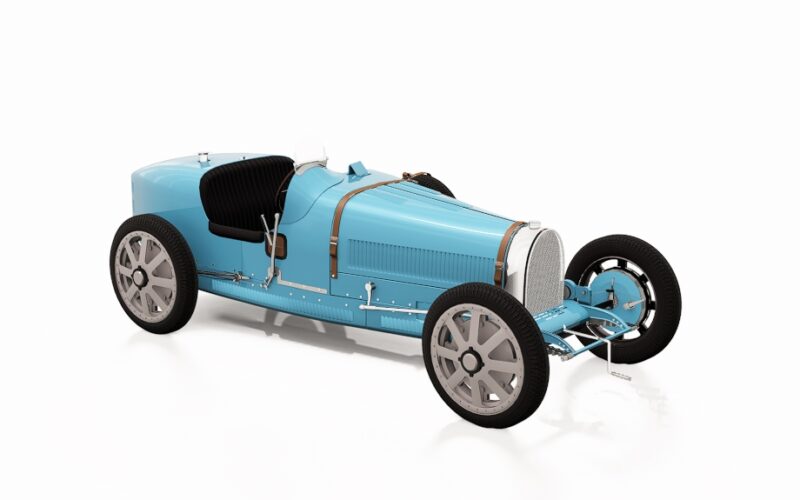 |
The 1926 Bugatti Type 39A was a refined Grand Prix car derived from the successful Type 35 series, tailored for the 1.5-liter formula. Powered by a 1.5-liter supercharged straight-8 engine, it produced approximately 130 horsepower, emphasizing agility and efficiency over raw power. Retaining the lightweight construction and signature Bugatti design features, such as the hollow front axle and alloy wheels, the T39A excelled in endurance and maneuverability. Though competing in a specialized formula, it upheld Bugatti’s reputation for combining innovation, craftsmanship, and competitive performance. Instruments:
| |||||||||
| 1926 | Talbot 700 | 165 | 792 | 0,21 | 100 | 44,1 | 0,6 | 75 | 2/5 | 40 000 |
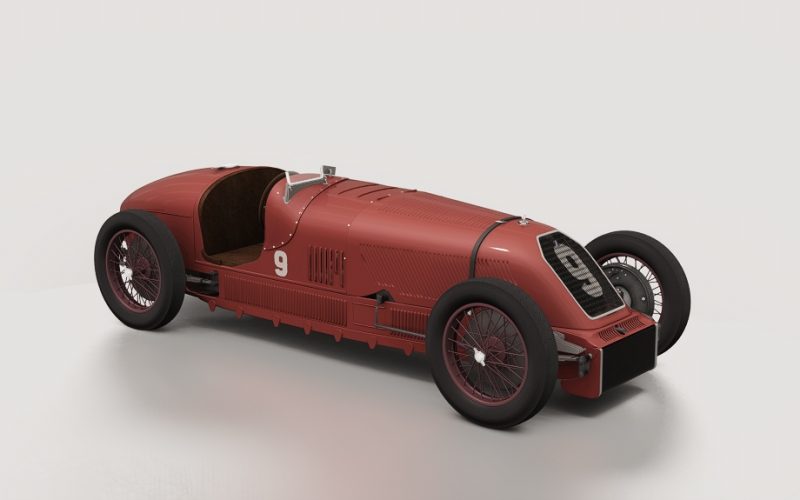 |
The 1926 Talbot 700 was powered by a 1.5-liter supercharged straight eight engine that produced 160 horsepower at 7000rpm. The Talbot 700 achieved only moderate success compared to the more dominant manufacturers like Bugatti and Alfa Romeo. It had several notable finishes, including strong performances in the French and Italian Grands Prix. Instruments:
| |||||||||
| 1927 | Bugatti T39a | 120 | 825 | 0,15 | 120 | 37,3 | 0,6 | 75 | 2/5 | 25 000 |
|
The 1926 Bugatti Type 39A was a refined Grand Prix car derived from the successful Type 35 series, tailored for the 1.5-liter formula. Powered by a 1.5-liter supercharged straight-8 engine, it produced approximately 130 horsepower, emphasizing agility and efficiency over raw power. Retaining the lightweight construction and signature Bugatti design features, such as the hollow front axle and alloy wheels, the T39A excelled in endurance and maneuverability. Though competing in a specialized formula, it upheld Bugatti’s reputation for combining innovation, craftsmanship, and competitive performance. Instruments:
| |||||||||
| 1927 | Delage 15 S8 | 170 | 863 | 0,20 | 150 | 59,3 | 0,57 | 70 | 2/5 | 65 000 |
|
The Delage 15S8 Grand Prix car was a racing car produced by Delage in the 1920s. It was powered by a 1.5-liter supercharged inline-eight engine that produced around 150 horsepower. The 15S8 achieved some success in various Grand Prix races, including winning the 1927 British Grand Prix, and is also notable for being driven by famous racing drivers such as Louis Chiron and Dick Seaman (See the Seaman version below). The 15S8 is also known for its advanced engineering, including the use of four-wheel hydraulic brakes and an independent front suspension system. Instruments:
| |||||||||
| 1927 | Talbot 700 | 165 | 772 | 0,21 | 100 | 44,4 | 0,57 | 70 | 2/5 | 52 000 |
|
The 1927 Talbot 700 was powered by a 1.5-liter supercharged straight eight engine that produced 165 horsepower at 7000rpm. The Talbot 700 achieved only moderate success compared to the more dominant manufacturers like Bugatti and Alfa Romeo. It had several notable finishes, including strong performances in the French and Italian Grands Prix. Instruments:
| |||||||||
| 1927 | Bugatti T35B | 151 | 865 | 0,17 | 120 | 42,4 | 0,57 | 70 | 2/5 | 48 000 |
|
The 1927 Bugatti Type 35B was a high-performance variant of the iconic Type 35 series, designed to dominate Grand Prix racing under the new 2.0-liter formula. Equipped with a 2.3-liter supercharged straight-8 engine, it produced an impressive 151 horsepower, enabling speeds of over 208 km/h. With its lightweight chassis, exceptional handling, and trademark hollow front axle, the T35B balanced speed and reliability. This combination cemented its legacy as one of the most successful and celebrated racing cars of the 1920s. Instruments:
| |||||||||
| 1928 | Mercedes-Benz SSK | 201 | 1595 | 0,13 | 120 | 34,4 | 0,54 | 65 | 2/5 | 25000 |
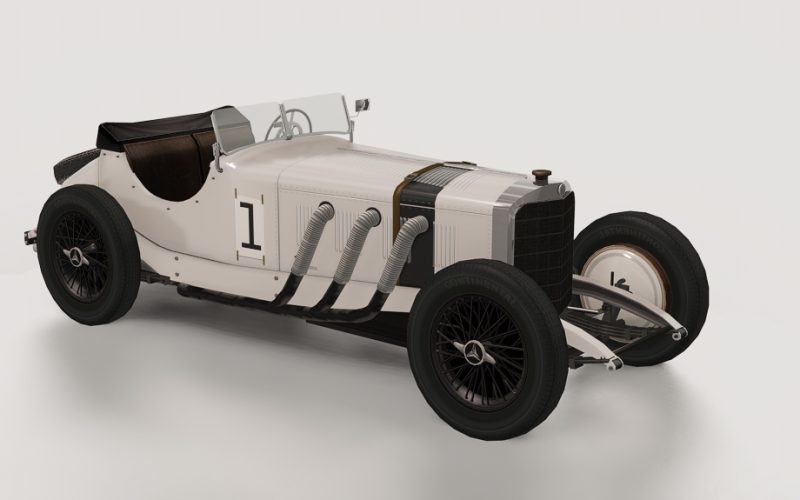 |
The Mercedes-Benz W 06 series began in 1927 with the Type S and quickly evolved into high-performance sports cars like the SS and, most notably, the SSK. Designed specifically for motorsport, the SSK featured a shortened wheelbase for greater agility, a powerful 7.1-litre supercharged engine producing up to 250 hp, and a lighter chassis that delivered excellent speed and handling. It debuted with a hillclimb victory in 1928 and quickly dominated motorsport events across Europe, especially in hillclimbs. Originally intended as a factory racer, the SSK was later made available to private drivers, with 33 units built between 1928 and 1932. Its legacy continued with the SSKL, which powered Rudolf Caracciola to victory in the 1931 Mille Miglia, marking a historic achievement for Mercedes-Benz. Instruments:
| |||||||||
| 1929 | Mercedes-Benz SSK | 226 | 1595 | 0,14 | 120 | 42,0 | 0,52 | 60 | 2/5 | 28000 |
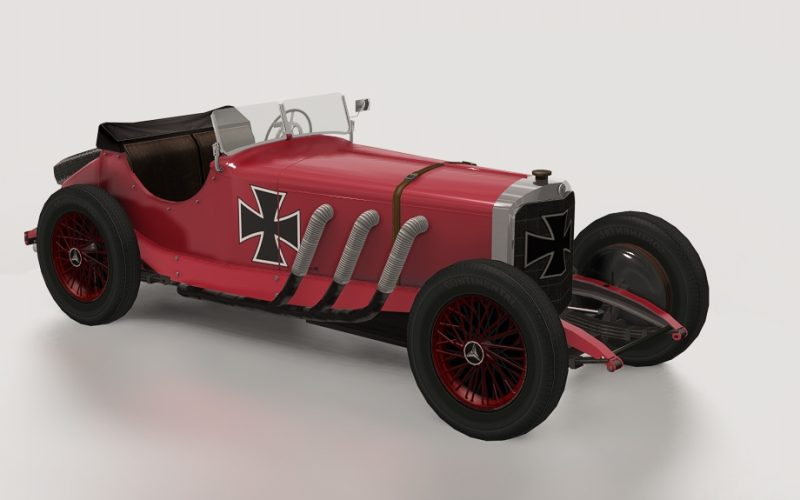 |
The Mercedes-Benz W 06 series began in 1927 with the Type S and quickly evolved into high-performance sports cars like the SS and, most notably, the SSK. Designed specifically for motorsport, the SSK featured a shortened wheelbase for greater agility, a powerful 7.1-litre supercharged engine producing up to 250 hp, and a lighter chassis that delivered excellent speed and handling. It debuted with a hillclimb victory in 1928 and quickly dominated motorsport events across Europe, especially in hillclimbs. Originally intended as a factory racer, the SSK was later made available to private drivers, with 33 units built between 1928 and 1932. Its legacy continued with the SSKL, which powered Rudolf Caracciola to victory in the 1931 Mille Miglia, marking a historic achievement for Mercedes-Benz. Instruments:
| |||||||||
| 1930 | Bentley 4½ Litre “Blower” | 239 | 1588 | 0,15 | 120 | 49,8 | 0,5 | 55 | 2/5 | 28000 |
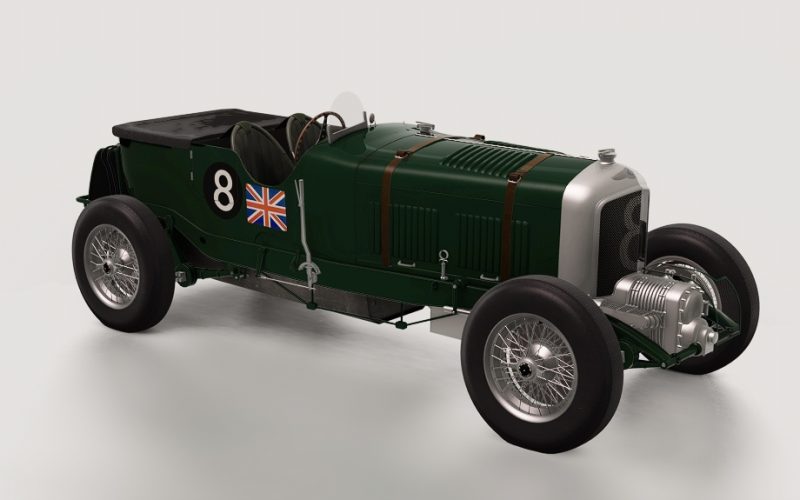 |
The Bentley 4½ Litre Blower emerged at the end of the 1920s as Britain’s bold answer to the rising speed of German and Italian rivals. Unlike the reliable naturally aspirated Bentleys that had won Le Mans, the Blower was the creation of Sir Henry “Tim” Birkin, who believed that only supercharging could keep the marque competitive. Engineer Amherst Villiers fitted a massive Roots-type supercharger ahead of the radiator, raising output to over 240 hp and giving the car immense straight-line speed. Debuting in 1929, the Blower quickly became famous for its pace at Brooklands and for Birkin’s heroic battles—most notably his 1930 Le Mans duel with Caracciola’s Mercedes. But the power came with drawbacks: high fuel consumption and mechanical fragility meant it rarely excelled in long-distance events. Only five racing Blowers were built, yet their charisma and uncompromising design made them legends. Today, the Blower stands as a symbol of British racing audacity—fast, dramatic, and unforgettable. Instruments:
| |||||||||
| 1930 | Mercedes-Benz SSK | 258 | 1595 | 0,16 | 120 | 43,9 | 0,5 | 55 | 2/5 | 30000 |
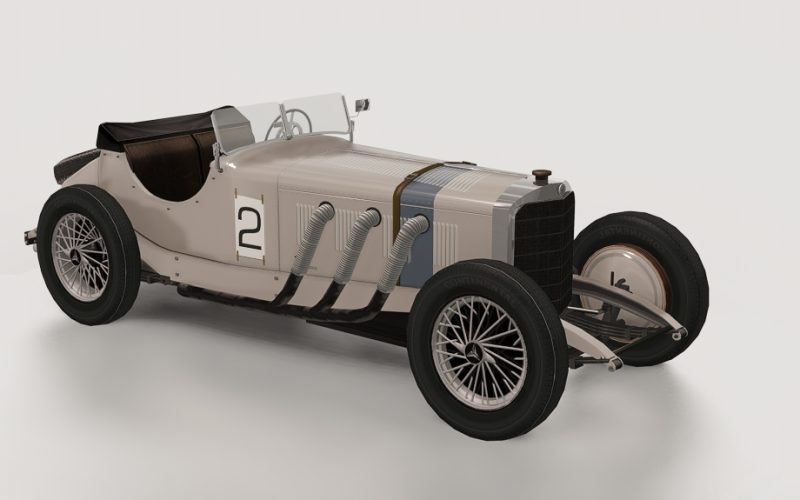 |
The Mercedes-Benz W 06 series began in 1927 with the Type S and quickly evolved into high-performance sports cars like the SS and, most notably, the SSK. Designed specifically for motorsport, the SSK featured a shortened wheelbase for greater agility, a powerful 7.1-litre supercharged engine producing up to 250 hp, and a lighter chassis that delivered excellent speed and handling. It debuted with a hillclimb victory in 1928 and quickly dominated motorsport events across Europe, especially in hillclimbs. Originally intended as a factory racer, the SSK was later made available to private drivers, with 33 units built between 1928 and 1932. Its legacy continued with the SSKL, which powered Rudolf Caracciola to victory in the 1931 Mille Miglia, marking a historic achievement for Mercedes-Benz. Instruments:
| |||||||||
| 1931 | Bugatti Type 54 | 300 | 1065 | 0,28 | 120 | 45,1 | 0,42 | 50 | 3/5 | 75000 |
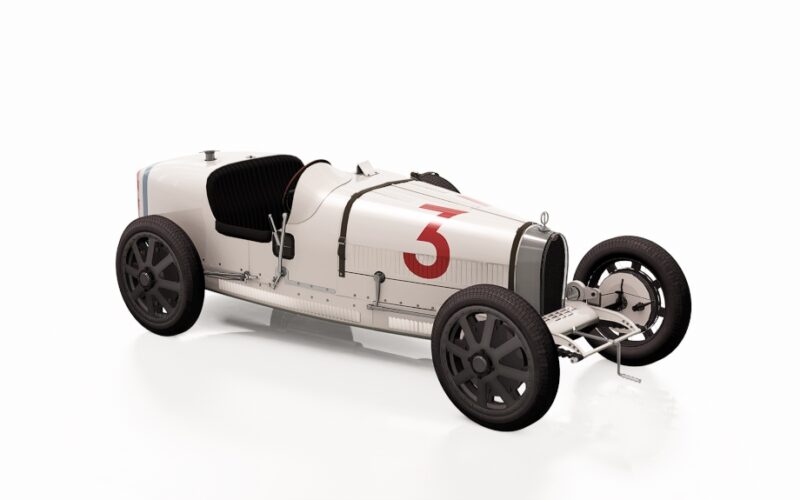 |
The Bugatti Type 54 was introduced in 1931 as a successor to the Type 51, and it marked a dramatic shift for Bugatti toward sheer power rather than finesse. It mounted a massive 4.9-liter supercharged straight-eight engine producing around 300 horsepower, making it one of the most powerful Grand Prix cars of its day. However, this brute force came at the expense of handling: the car’s heavy chassis and relatively primitive suspension made it difficult to control, earning it a reputation as fast but clumsy compared to rivals like Alfa Romeo’s P3. Only a handful were built, and while it achieved some success in the early 1930s, the T54 is remembered more as an impressive but flawed attempt to overpower Bugatti’s rivals. Instruments:
| |||||||||
| 1931 | Bugatti Type 51-1 | 180 | 850 | 0,21 | 120 | 37,6 | 0,42 | 50 | 3/5 | 68000 |
|
The Bugatti Type 51, introduced in 1931, was essentially an evolution of the successful Type 35, but fitted with a new twin-cam 2.3-liter straight-eight engine producing about 160–180 horsepower. The “T51-1” designation usually refers to one of the very first chassis built that year. It retained the light, nimble handling and elegant lines of the Type 35 while offering more power and technical refinement, making it competitive against Maserati and Alfa Romeo in the early 1930s. Though its peak successes were limited compared to the dominance of the Type 35, the T51 still scored important podiums and remains admired as the last truly great Grand Prix Bugatti before the marque fell behind in the mid-1930s. Instruments:
| |||||||||
| 1931 | Mercedes-Benz SSKL | 300 | 1595 | 0,21 | 130 | 44,1 | 0,42 | 50 | 3/5 | 41000 |
|
The Mercedes-Benz W 06 series began in 1927 with the Type S and quickly evolved into high-performance sports cars like the SS and, most notably, the SSK. Designed specifically for motorsport, the SSK featured a shortened wheelbase for greater agility, a powerful 7.1-litre supercharged engine producing up to 250 hp, and a lighter chassis that delivered excellent speed and handling. It debuted with a hillclimb victory in 1928 and quickly dominated motorsport events across Europe, especially in hillclimbs. Originally intended as a factory racer, the SSK was later made available to private drivers, with 33 units built between 1928 and 1932. Its legacy continued with the SSKL, which powered Rudolf Caracciola to victory in the 1931 Mille Miglia, marking a historic achievement for Mercedes-Benz. SSKL has cockpit operated on/off switch for its supercharger. Instruments:
| |||||||||
| 1931 | Bugatti Type 51 | 160 | 825 | 0,19 | 120 | 37,3 | 0,42 | 50 | 3/5 | 65000 |
|
The Bugatti Type 51 Grand Prix car was a racing car produced by Bugatti in the 1930s. It was powered by a supercharged 2.3-liter inline-eight engine that produced around 160 horsepower. The Type 51 achieved some success in various Grand Prix races, including winning the 1931 Monaco Grand Prix, and is also notable for being driven by famous racing drivers such as Tazio Nuvolari and Louis Chiron. The Type 51 is also known for its distinctive design, featuring Bugatti's signature styling cues, such as its horseshoe-shaped radiator grille. Instruments:
| |||||||||
| 1932 | Jones-Miller Indy Special | 160 | 865 | 0,18 | 135 | 24,9 | 0,37 | 90 | 3/5 | 40000 |
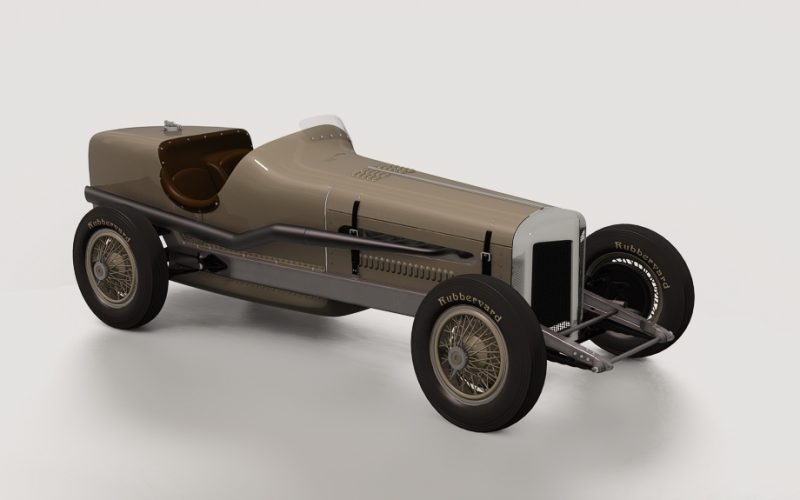 |
The Jones–Miller Indy Special was a privateer entry built around Harry A. Miller’s famous 220-cu-in straight-eight racing engine, mounted in a lightweight but aging single-seater chassis. Unlike the factory-backed Miller and Studebaker efforts of the era, the Jones–Miller was a shoestring operation: fast in bursts thanks to its low weight and lively handling, but hampered by modest preparation, smaller brakes, and a less-than-fresh power unit. In the 1932 Indianapolis 500 it was driven by the young Kelly Petillo, whose raw pace was evident, but the car’s limited top speed and demanding manners kept it solidly in the mid-field rather than among the contenders. Instruments:
| |||||||||
| 1932 | Alfa Romeo P3 | 214 | 818 | 0,26 | 127 | 46,8 | 0,37 | 45 | 3/5 | 80000 |
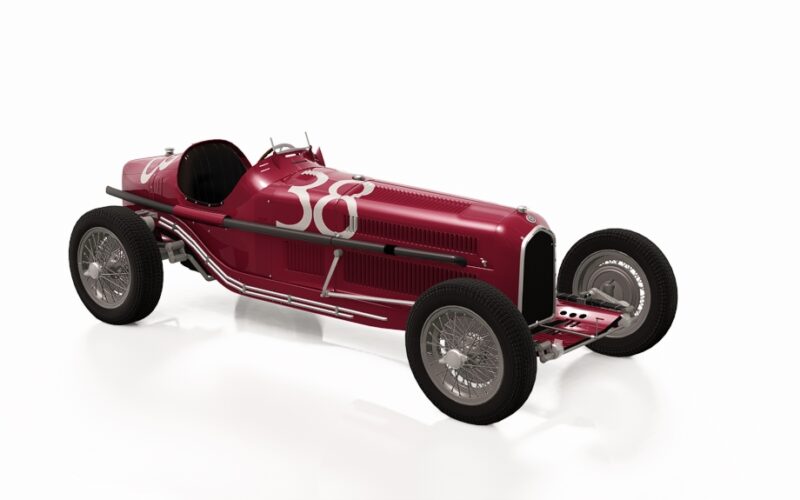 |
The Alfa Romeo P3 Grand Prix car was a racing car produced by Italian manufacturer Alfa Romeo in the 1930s. It was powered by a supercharged 2.9-liter inline-eight engine that produced around 215 horsepower. The P3 achieved great success in various Grand Prix races, including winning the 1935 European Championship and the 1936 Vanderbilt Cup, and is also notable for being driven by famous racing drivers such as Juan Manuel Fangio and Tazio Nuvolari. Instruments:
| |||||||||
| 1932 | Studebaker | 198 | 1270 | 0,16 | 120 | 28,5 | 0,37 | 90 | 3/5 | 60000 |
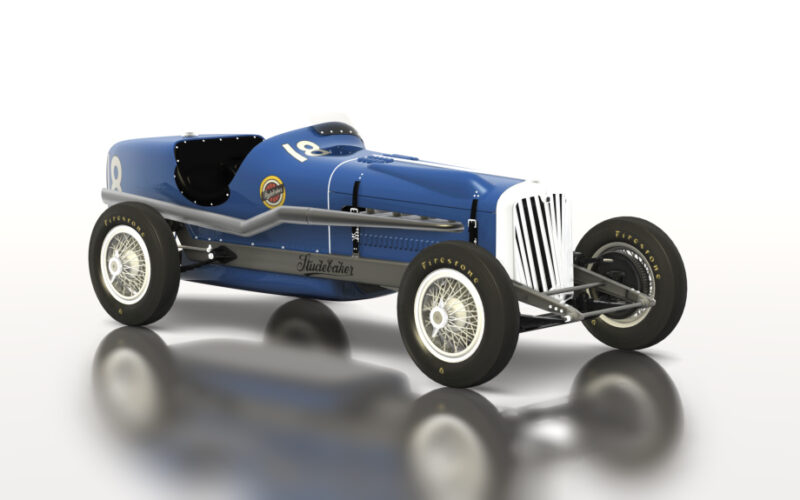 |
The 1932 Studebaker IndyCar was a racing car produced by Studebaker to compete in the Indianapolis 500 race. It was powered by a supercharged 4.2-liter inline-eight engine that produced around 230 horsepower. The Studebaker Indycar achieved moderate success in the 1932 and 1933 Indianapolis 500 races, with driver Russ Snowberger finishing in 7th and 14th place, respectively. However, Studebaker ultimately withdrew from Indycar racing after the 1933 season due to financial difficulties. Instruments:
| |||||||||
| 1932 | Bugatti Type 51A | 131 | 825 | 0,16 | 120 | 23,2 | 0,37 | 45 | 3/5 | 38000 |
|
The Bugatti Type 51A Grand Prix car was a racing car produced by Bugatti in the 1930s. It was powered by a supercharged 2.3-liter inline-eight engine that produced around 130 horsepower. The Type 51A achieved some success in various Grand Prix races, including winning the 1931 Monaco Grand Prix, and is also notable for being driven by famous racing drivers such as Tazio Nuvolari and Louis Chiron. The Type 51A is also known for its distinctive design, featuring Bugatti's signature styling cues, such as its horseshoe-shaped radiator grille. Instruments:
| |||||||||
| 1933 | Napier Railton | 562 | 2130 | 3,79 | 300 | 97,4 | 0,286 | 42 | 3/5 | TBA |
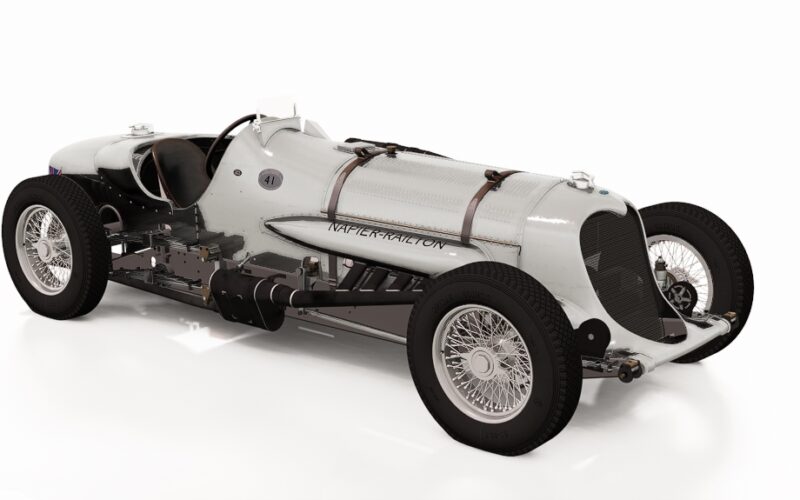 |
The Napier-Railton is a legendary racing car that was built in 1933 by Thomson and Taylor for John Cobb. It was powered by a 24-litre Napier Lion W12 aircraft engine and set numerous speed records, including the lap record at the Brooklands circuit in Surrey, England. It is to notice that this car has no brakes, only handbrake so it's suitable for only highspeed circuits. Instruments:
| |||||||||
| 1933 | Bugatti Type 59 | 215 | 863 | 0,25 | 105 | 44,9 | 0,3 | 39 | 3/5 | 48000 |
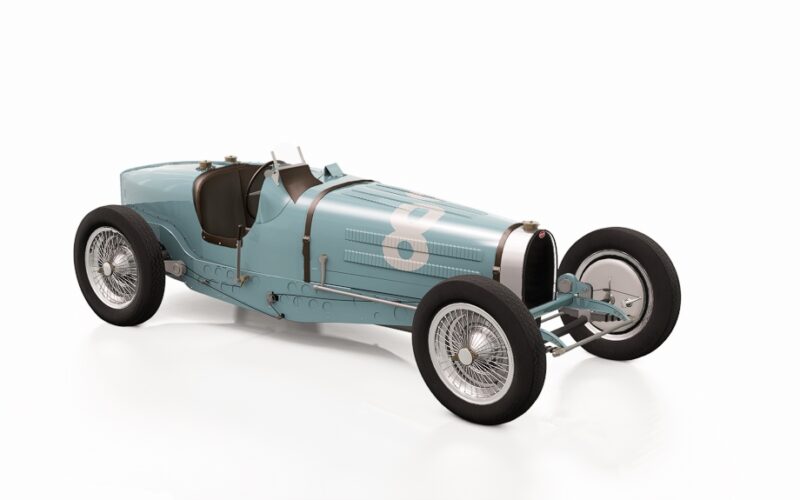 |
The Bugatti Type 59 Grand Prix car was a racing car produced by Bugatti in the late 1930s. It was powered by a supercharged 3.3-liter inline-eight engine that produced around 250 horsepower. The Type 59 achieved some success in various Grand Prix races, including winning the 1934 French Grand Prix, and is also notable for being driven by famous racing drivers such as Jean-Pierre Wimille and Robert Benoist. The Type 59 is also known for its distinctive design, featuring Bugatti's trademark horseshoe-shaped radiator grille. Instruments:
| |||||||||
| 1933 | Maserati 8CM | 211 | 865 | 0,24 | 132 | 48,3 | 0,3 | 39 | 3/5 | 50000 |
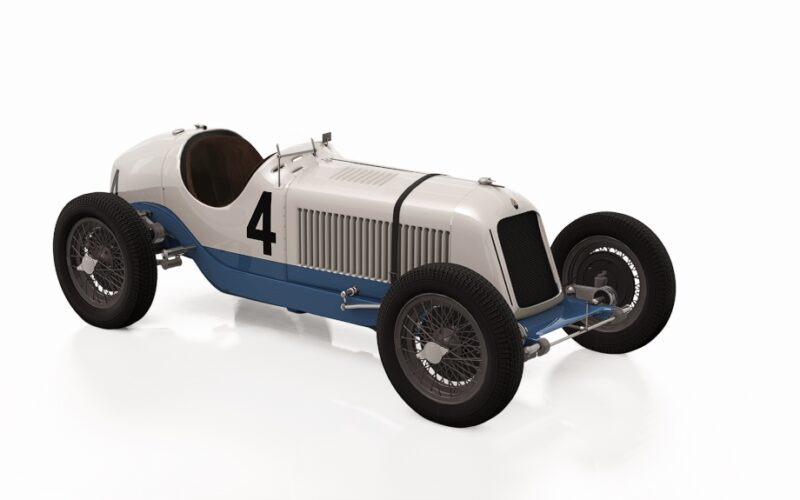 |
The Maserati 8CM Grand Prix car was a racing car produced by Maserati in the 1930s. It was powered by a supercharged 2.9-liter inline-eight engine that produced around 220 horsepower. The 8CM achieved moderate success in various Grand Prix races, including winning the 1933 Grand Prix of Rome and the 1934 Pescara Grand Prix, and is also notable for being driven by famous racing drivers such as Luigi Fagioli and Raymond Sommer. Instruments:
| |||||||||
| 1934 | ERA Type A | 150 | 1032 | 0,15 | 87 | 40,2 | 0,25 | 30 | 3/5 | 27000 |
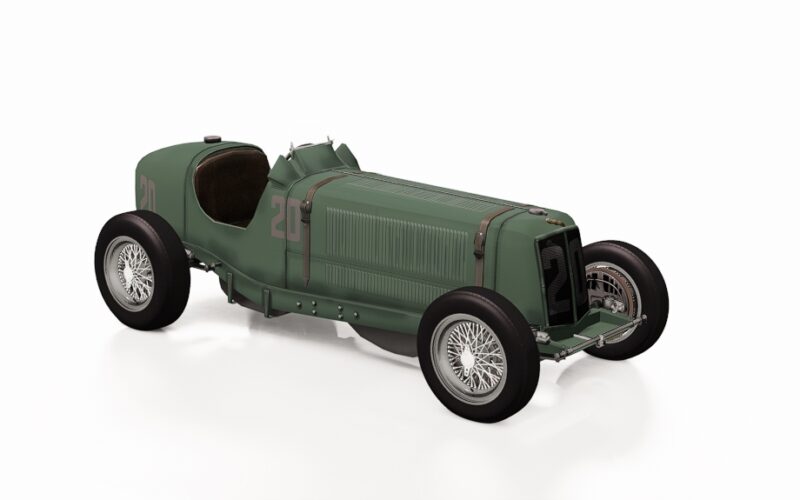 |
The ERA Type A Grand Prix car was a racing car produced by English racing car manufacturer, ERA, in the 1930s. It was powered by a supercharged 1.5-liter inline-six engine that produced around 200 horsepower. The Type B achieved moderate success in various Grand Prix races, including winning the 1938 Donington Grand Prix, and is also notable for being driven by famous racing drivers such as Prince Bira and Raymond Mays. Instruments:
| |||||||||
| 1934 | Bugatti Type 59 | 240 | 853 | 0,28 | 114 | - | 0,3 | 39 | 3/5 | 60000 |
|
The Bugatti Type 59 Grand Prix car was a racing car produced by Bugatti in the late 1930s. It was powered by a supercharged 3.3-liter inline-eight engine that produced around 250 horsepower. The Type 59 achieved some success in various Grand Prix races, including winning the 1934 French Grand Prix, and is also notable for being driven by famous racing drivers such as Jean-Pierre Wimille and Robert Benoist. The Type 59 is also known for its distinctive design, featuring Bugatti's trademark horseshoe-shaped radiator grille. Instruments:
| |||||||||
| 1934 | Maserati 8CM | 225 | 865 | 0,26 | 159 | 49,5 | 0,3 | 39 | 3/5 | 50000 |
|
The Maserati 8CM Grand Prix car was a racing car produced by Maserati in the 1930s. It was powered by a supercharged 2.9-liter inline-eight engine that produced around 220 horsepower. The 8CM achieved moderate success in various Grand Prix races, including winning the 1933 Grand Prix of Rome and the 1934 Pescara Grand Prix, and is also notable for being driven by famous racing drivers such as Luigi Fagioli and Raymond Sommer. Instruments:
| |||||||||
| 1934 | Alfa Romeo P3 | 256 | 865 | 0,30 | 152 | 42,7 | 0,3 | 39 | 3/5 | 75000 |
|
The Alfa Romeo P3 Grand Prix car was a racing car produced by Italian manufacturer Alfa Romeo in the 1930s. It was powered by a supercharged 2.9-liter inline-eight engine that produced around 215 horsepower. The P3 achieved great success in various Grand Prix races, including winning the 1935 European Championship and the 1936 Vanderbilt Cup, and is also notable for being driven by famous racing drivers such as Juan Manuel Fangio and Tazio Nuvolari. Instruments:
| |||||||||
| 1934 | Mercedes W25 | 353 | 922 | 0,38 | 215 | 60,5 | 0,3 | 39 | 3/5 | 85000 |
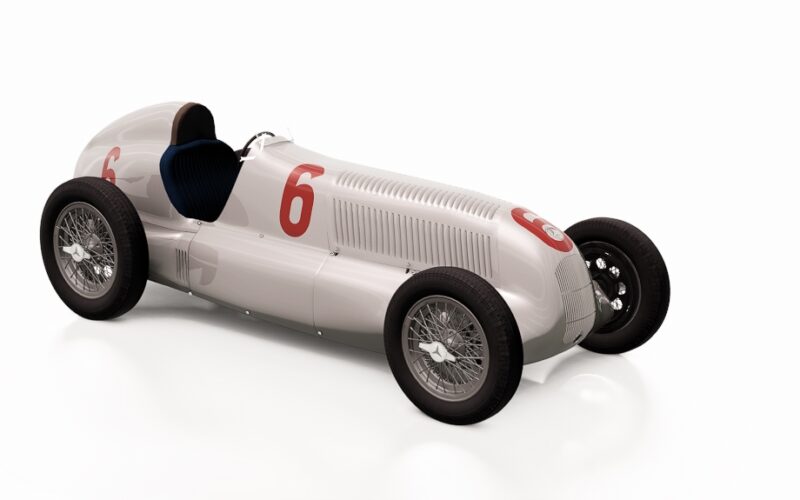 |
The Mercedes-Benz W25 Grand Prix car was a racing car produced by Mercedes-Benz in the mid-1930s. It was powered by a supercharged 4.3-liter inline-eight engine that produced around 430 horsepower. The W25 achieved great success in various Grand Prix races, including winning the 1935 European Championship and the 1936 German Grand Prix, and is also notable for being driven by famous racing drivers such as Rudolf Caracciola and Manfred von Brauchitsch. The W25 was also the first successful Silver Arrow racing car produced by Mercedes-Benz. Instruments:
| |||||||||
| 1934 | Auto Union Type A | 295 | 865 | 0,34 | 210 | 51,2 | 0,3 | 39 | 3/5 | 80000 |
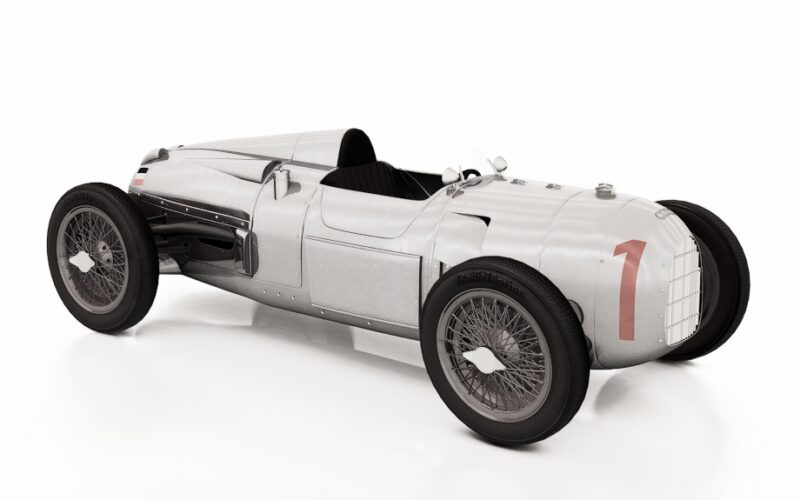 |
The Auto Union Type A Grand Prix car was a racing car produced by Auto Union in the 1930s. It was powered by a supercharged 4.4-liter V16 engine that produced around 295 horsepower. The Type A achieved some success in various Grand Prix races, including winning the 1934 Italian Grand Prix, and is also notable for being driven by legendary racing drivers such as Hans Stuck and Achille Varzi. The Type A was also the precursor to the more successful Type B and Type C Grand Prix cars. Instruments:
| |||||||||
| 1935 | Bugatti Type 59/50s | 250 | 830 | 0,3 | 114 | 45,1 | 0,3 | 39 | 3/5 | 40000 |
|
The Bugatti Type 59 Grand Prix car was a racing car produced by Bugatti in the late 1930s. It was powered by a supercharged 3.3-liter inline-eight engine that produced around 300 horsepower. The Type 59 achieved some success in various Grand Prix races, including winning the 1934 French Grand Prix, and is also notable for being driven by famous racing drivers such as Jean-Pierre Wimille and Robert Benoist. The Type 59 is also known for its distinctive design, featuring Bugatti's trademark horseshoe-shaped radiator grille. Instruments:
| |||||||||
| 1935 | Mercedes W25 | 462 | 922 | 0,5 | 215 | 57,8 | 0,3 | 39 | 3/5 | 89000 |
|
The Mercedes-Benz W25 Grand Prix car was a racing car produced by Mercedes-Benz in the mid-1930s. It was powered by a supercharged 4.3-liter inline-eight engine that produced around 430 horsepower. The W25 achieved great success in various Grand Prix races, including winning the 1935 European Championship and the 1936 German Grand Prix, and is also notable for being driven by famous racing drivers such as Rudolf Caracciola and Manfred von Brauchitsch. The W25 was also the first successful Silver Arrow racing car produced by Mercedes-Benz. Instruments:
| |||||||||
| 1935 | Maserati 6C-34 | 271 | 835 | 0,32 | 159 | 51,7 | 0,3 | 39 | 3/5 | 55000 |
|
The Maserati 6C-34, introduced for the 1934–35 seasons, was Maserati’s first serious response to the new 750 kg Grand Prix formula. It was powered by a 3.7-liter straight-six engine fitted with a Roots-type supercharger, producing around 270–280 horsepower. The car was designed by Ernesto Maserati and built on lessons from the earlier 8CM, but with a shorter, more compact chassis aimed at improved agility. On paper it promised competitiveness, yet in reality it struggled against the dominant German Silver Arrows of Mercedes-Benz and Auto Union, which had far more powerful engines and better resources. The 6C-34 was driven by Tazio Nuvolari in 1934 before he left for Scuderia Ferrari/Alfa Romeo, and while it showed flashes of speed and could fight for placings, it rarely challenged for outright wins. Today, it is remembered as an elegant but ultimately outclassed machine, marking the point where Maserati needed to evolve beyond its small-scale roots to stay competitive in Grand Prix racing. Instruments:
| |||||||||
| 1935 | ERA Type B | 180 | 1032 | 0,17 | 105 | 50,5 | 0,25 | 30 | 3/5 | 32000 |
|
The ERA Type B Grand Prix car was a racing car produced by English racing car manufacturer, ERA, in the 1930s. It was powered by a supercharged 1.5-liter inline-six engine that produced around 200 horsepower. The Type B achieved moderate success in various Grand Prix races, including winning the 1938 Donington Grand Prix, and is also notable for being driven by famous racing drivers such as Prince Bira and Raymond Mays. Instruments:
| |||||||||
| 1935 | Alfa Romeo 8C-35 | 330 | 935 | 0,35 | 170 | 40,5 | 0,25 | 30 | 3/5 | 75000 |
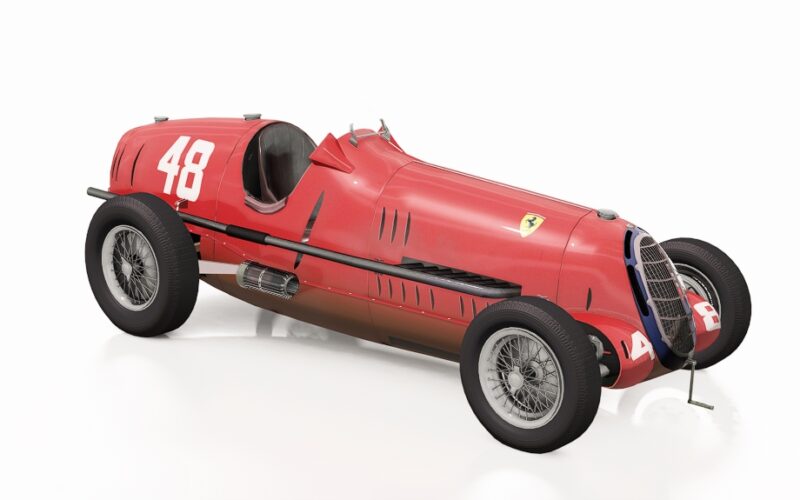 |
The Alfa Romeo 8C Grand Prix car was a racing car produced by Italian manufacturer Alfa Romeo in the 1930s. It was powered by a supercharged 2.3-liter inline-eight engine that produced around 220 horsepower. The 8C achieved great success in various Grand Prix races, including winning the 1932 and 1933 European Championships, and is also notable for being driven by famous racing drivers such as Tazio Nuvolari and Rudolf Caracciola. Instruments:
| |||||||||
| 1935 | Alfa Romeo P3 | 330 | 865 | 0,38 | 152 | 41,5 | 0,25 | 30 | 3/5 | 80000 |
|
The Alfa Romeo P3 Grand Prix car was a racing car produced by Italian manufacturer Alfa Romeo in the 1930s. It was powered by a supercharged 2.9-liter inline-eight engine that produced around 215 horsepower. The P3 achieved great success in various Grand Prix races, including winning the 1935 European Championship and the 1936 Vanderbilt Cup, and is also notable for being driven by famous racing drivers such as Juan Manuel Fangio and Tazio Nuvolari. Instruments:
| |||||||||
| 1935 | Auto Union Type B | 371 | 865 | 0,43 | 210 | 52,0 | 0,3 | 39 | 3/5 | 85000 |
|
The 1935 Auto Union Type B was a revolutionary Grand Prix car that exemplified cutting-edge engineering from the Silver Arrows era. Designed by Ferdinand Porsche, it featured a 4.9-liter supercharged V16 engine, producing a staggering 375 horsepower, with the engine mounted behind the driver—a groundbreaking layout for its time. With its streamlined body, advanced suspension, and brutal acceleration, the Type B was a formidable competitor. Though challenging to handle due to its immense power and oversteer tendencies, it set the stage for future mid-engine racing cars and secured Auto Union’s place in motorsport history. Instruments:
| |||||||||
| 1936 | Auto Union Type C | 520 | 982 | 1,89 | 225 | 56,8 | 0,2 | 25 | 3/5 | TBA |
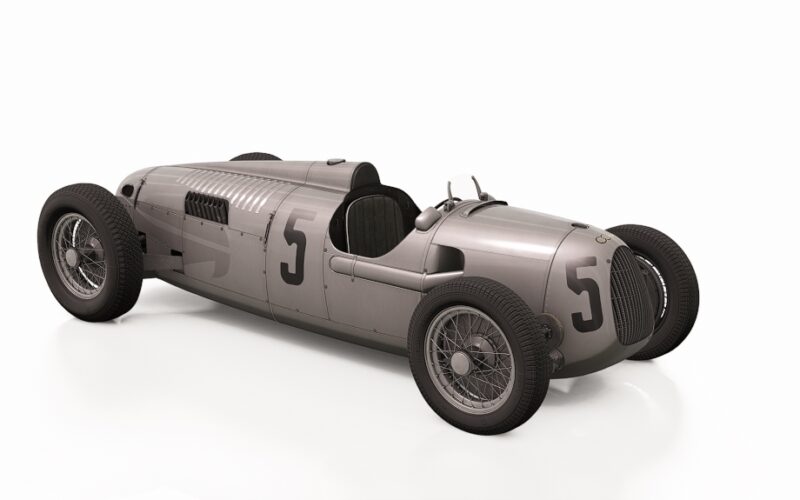 |
The Auto Union Type C Grand Prix car was a racing car produced by Auto Union in the 1930s. It was powered by a supercharged 6.0-liter V16 engine that produced over 500 horsepower, making it one of the most powerful Grand Prix cars of its time. The Type C achieved great success in various Grand Prix races, including winning the European Championship in 1936 and 1937, and is also notable for being driven by legendary racing drivers such as Bernd Rosemeyer and Tazio Nuvolari. Instruments:
| |||||||||
| 1936 | Alfa Romeo 12C-36 | 364 | 850 | 2,34 | 205 | 49,8 | 0,18 | 20 | 4/5 | TBA |
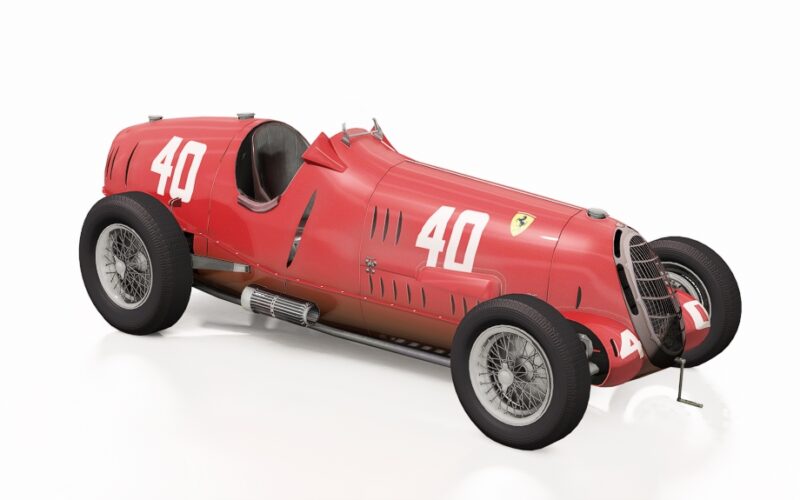 |
The Alfa Romeo 12C-36 Grand Prix car was a racing car produced by Alfa Romeo in 1936. It was powered by a supercharged 4.1-liter V12 engine that produced around 350 horsepower. The 12C-36 achieved moderate success in various Grand Prix races, including finishing second in the 1936 Italian Grand Prix, and is also notable for being the last Grand Prix car built by Alfa Romeo before World War II. Instruments:
| |||||||||
| 1936 | Delage 15 S8 “Seaman” | 185 | 710 | 3,84 | 98 | 21,9 | 0,2 | 25 | 3/5 | TBA |
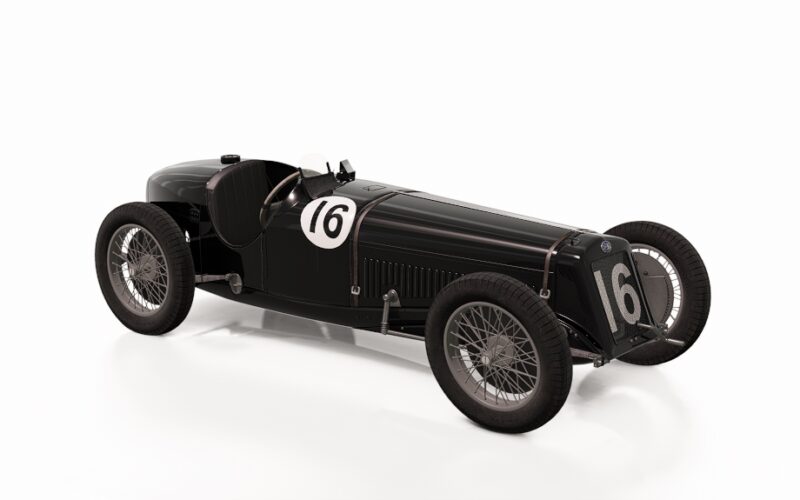 |
After the close of the 1927 racing season, Louis Delage shuttered the Delage racing department to focus on building road cars, and sold all of the 15S8s to various private collectors. Richard Seaman bought the car in30s. He commissioned famous engineer Giulio Ramponi to upgrade the car to 1936 specifications. Ramponi stiffened the suspension, removed weight, added a larger supercharger, and replaced the aging brakes with a set of hydraulic brakes. The 10-year-old car was a beast with the new upgrades, and Seaman was able to win 3 races in the voiturette class using the car. Instruments:
| |||||||||
| 1936 | Maserati 6CM | 175 | 725 | 4,14 | 200 | 79,4 | 0,2 | 25 | 3/5 | TBA |
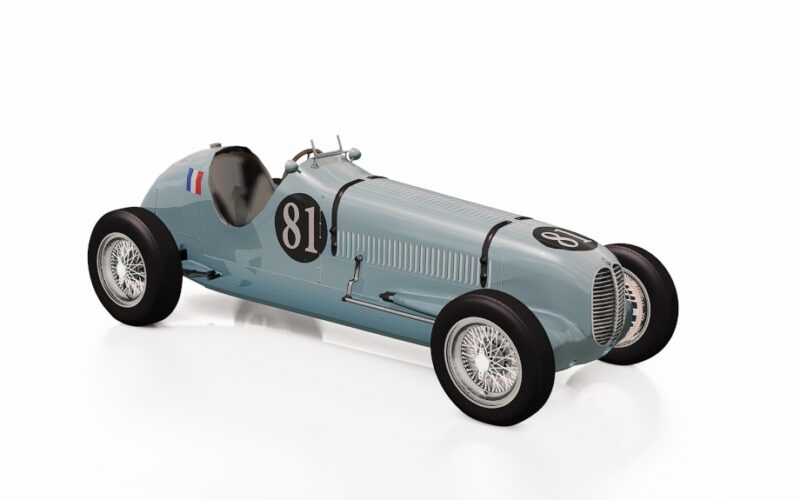 |
The Maserati 6CM Grand Prix car was a racing car produced by Italian manufacturer Maserati in the 1930s. It was powered by a supercharged 1.5-liter inline-six engine that produced around 155 horsepower. The 6CM achieved moderate success in various Grand Prix races, including winning the 1939 Tripoli Grand Prix, and is also notable for being driven by famous racing drivers such as Luigi Villoresi and Gigi Platé. Instruments:
| |||||||||
| 1936 | Mercedes W25K | 453 | 825 | 2,63 | 220 | 47,8 | 0,3 | 39 | 3/5 | TBA |
|
The Mercedes-Benz W25 Grand Prix car was a racing car produced by Mercedes-Benz in the mid-1930s. It was powered by a supercharged 4.3-liter inline-eight engine that produced around 430 horsepower. The W25 achieved great success in various Grand Prix races, including winning the 1935 European Championship and the 1936 German Grand Prix, and is also notable for being driven by famous racing drivers such as Rudolf Caracciola and Manfred von Brauchitsch. The W25 was also the first successful Silver Arrow racing car produced by Mercedes-Benz. Instruments:
| |||||||||
| 1936 | Bugatti Type 59/50BI | 402 | 745 | 2,84 | 150 | 57,7 | 0,3 | 39 | 3/5 | TBA |
|
The Bugatti Type 59 Grand Prix car was a racing car produced by Bugatti in the late 1930s. It was powered by a supercharged 3.3-liter inline-eight engine that produced around 300 horsepower. The Type 59 achieved some success in various Grand Prix races, including winning the 1934 French Grand Prix, and is also notable for being driven by famous racing drivers such as Jean-Pierre Wimille and Robert Benoist. The Type 59 is also known for its distinctive design, featuring Bugatti's trademark horseshoe-shaped radiator grille. Instruments:
| |||||||||
| 1937 | ERA Type C | 103 | 789 | 7,66 | 200 | 80,6 | 0,25 | 30 | 3/5 | TBA |
|
The ERA Type B Grand Prix car was a racing car produced by English racing car manufacturer, ERA, in the 1930s. It was powered by a supercharged 1.5-liter inline-six engine that produced around 200 horsepower. The Type B achieved moderate success in various Grand Prix races, including winning the 1938 Donington Grand Prix, and is also notable for being driven by famous racing drivers such as Prince Bira and Raymond Mays. Instruments:
| |||||||||
| 1937 | Mercedes W125 | 532 | 990 | 1,86 | 220 | 60,4 | 0,18 | 20 | 4/5 | TBA |
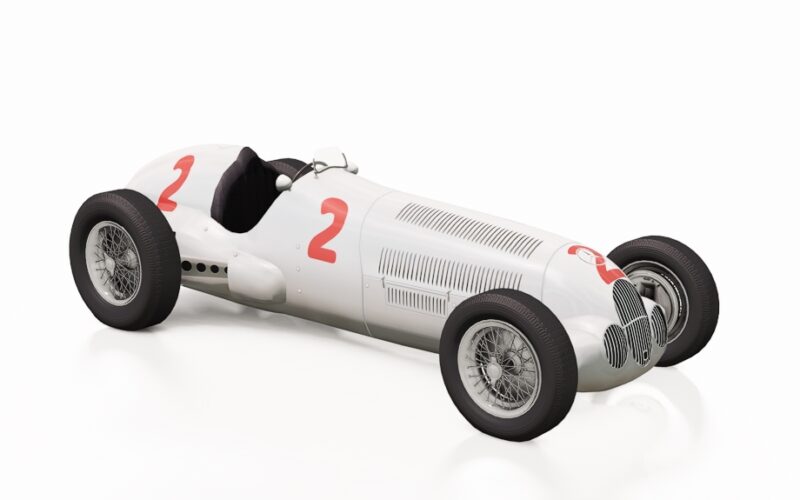 |
The Mercedes W125 Grand Prix car was a racing car produced by Mercedes-Benz in 1937. It was powered by a supercharged 5.6-liter inline-eight engine that produced over 600 horsepower, making it one of the most powerful Grand Prix cars of its time. The W125 achieved great success in various Grand Prix races, including winning the European Championship in 1937, and is also notable for being driven by legendary racing drivers such as Rudolf Caracciola and Hermann Lang. Instruments:
| |||||||||
| 1937 | Auto Union Type C Stromlinie | 452 | 1096 | 2,42 | 300 | 65,8 | 0,18 | 20 | 4/5 | TBA |
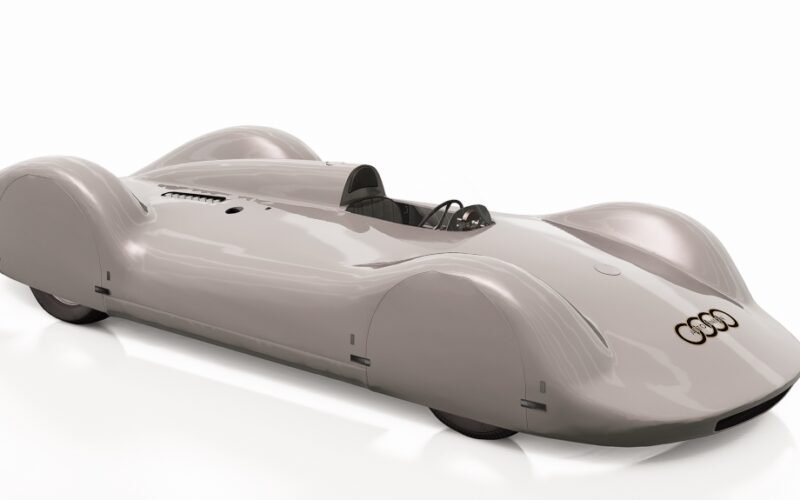 |
The purpose of the Auto Union Type C Streamline Grand Prix car was to achieve high speeds on high-speed tracks like the Avus circuit in Berlin, Germany. The car's aerodynamic body and powerful engine allowed it to reach speeds of over 300 km/h (186 mph) on the straightaways of the Avus circuit, making it one of the fastest Grand Prix cars of its time. The Type C Streamline's success at high-speed tracks like Avus helped establish Auto Union as a dominant force in Grand Prix racing in the late 1930s. Instruments:
| |||||||||
| 1938 | Maserati 6CM | 175 | 725 | 4,14 | 200 | 79,4 | 0,2 | 25 | 3/5 | TBA |
|
The Maserati 6CM Grand Prix car was a racing car produced by Italian manufacturer Maserati in the 1930s. It was powered by a supercharged 1.5-liter inline-six engine that produced around 155 horsepower. The 6CM achieved moderate success in various Grand Prix races, including winning the 1939 Tripoli Grand Prix, and is also notable for being driven by famous racing drivers such as Luigi Villoresi and Gigi Platé. Instruments:
| |||||||||
| 1938 | Auto Union Type D | 420 | 982 | 1,89 | 225 | 56,8 | 0,2 | 25 | 3/5 | TBA |
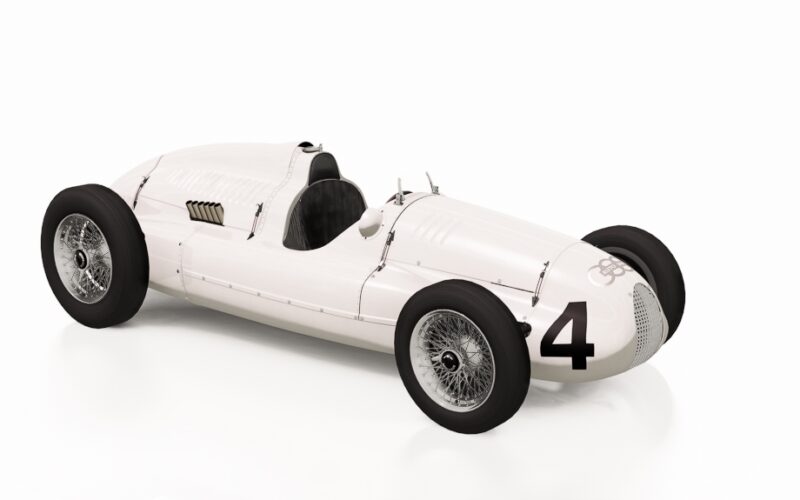 |
The 1938 Auto Union Type D was a cutting-edge Grand Prix car from the Silver Arrows era, designed to compete under the new 3.0-liter formula. Powered by a 3.0-liter supercharged V12 engine, it produced 420 horsepower, delivering immense speed and acceleration. The mid-engine layout, a hallmark of Auto Union's designs, provided improved weight distribution, though the car's handling remained challenging. With its streamlined body and advanced engineering, the Type D achieved significant success, cementing Auto Union's reputation as a pioneer in Grand Prix innovation. Instruments:
| |||||||||
| 1938 | Alfa Romeo 158 “Alfetta” | 175 | 725 | 4,14 | 200 | 79,4 | 0,2 | 25 | 3/5 | TBA |
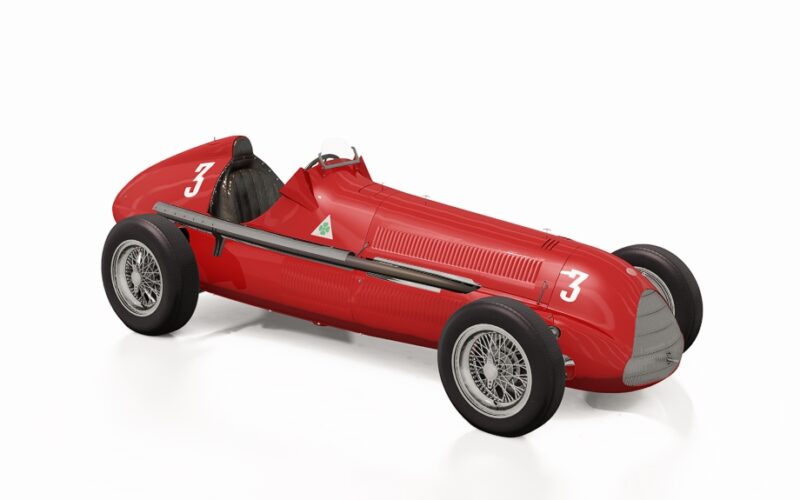 |
The 1938 Alfa Romeo 158 was a groundbreaking Grand Prix car that became one of the most successful designs in motorsport history. Powered by a 1.5-liter supercharged straight-8 engine, it initially produced 200 horsepower, with later iterations far surpassing this. Lightweight and meticulously engineered, the 158 featured independent front suspension and exceptional aerodynamics, providing superb handling and speed. Dominating pre-war and post-war racing, the "Alfetta" laid the foundation for Alfa Romeo's legendary Grand Prix success. Instruments:
| |||||||||
| 1938 | Maserati 8CTF | 360 | 1017 | 2,83 | 200 | 63,3 | 0,15 | 15 | 5/5 | TBA |
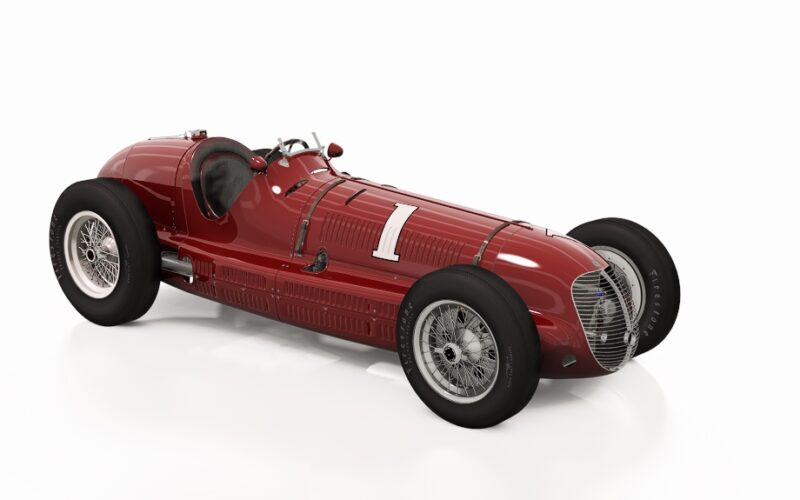 |
The Maserati 8CTF Grand Prix car was a successful racing car produced by Maserati between 1938 and 1939. It was powered by a supercharged 3.0-liter straight-eight engine and achieved great success in various Grand Prix races, including winning the prestigious Indianapolis 500 in 1939 and 1940. The 8CTF is also notable for being the last car to win the Indy 500 before World War II. Good overall car, even if it lacks the performance of the german rivals. Instruments:
| |||||||||
| 1938 | Mercedes W154 | 426 | 1217 | 2,86 | 400 | 71,4 | 0,15 | 15 | 5/5 | TBA |
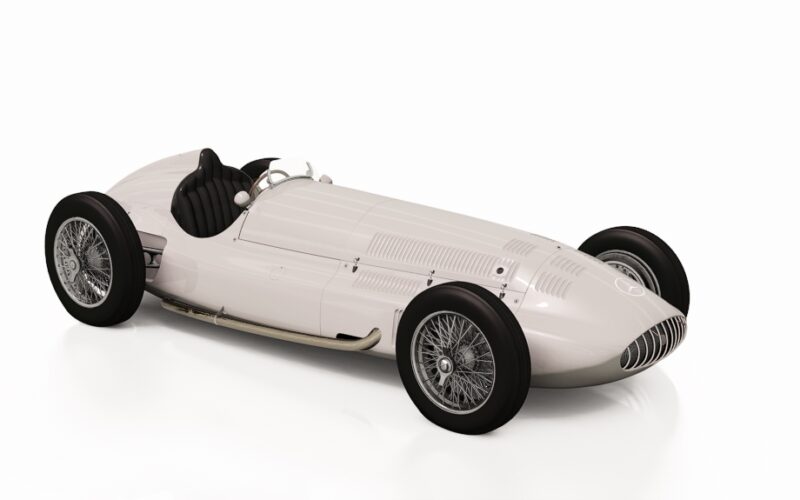 |
The Mercedes W154 Grand Prix car was a highly successful racing car produced by Mercedes-Benz in 1938 and 1939. It was powered by a supercharged 3.0-liter V12 engine that produced over 450 horsepower. The W154 achieved numerous victories in various Grand Prix races, including winning the European Championship in 1938 and 1939. Instruments:
| |||||||||
| 1939 | Mercedes W165 | 426 | 1217 | 2,86 | 400 | 71,4 | 0,15 | 15 | 5/5 | TBA |
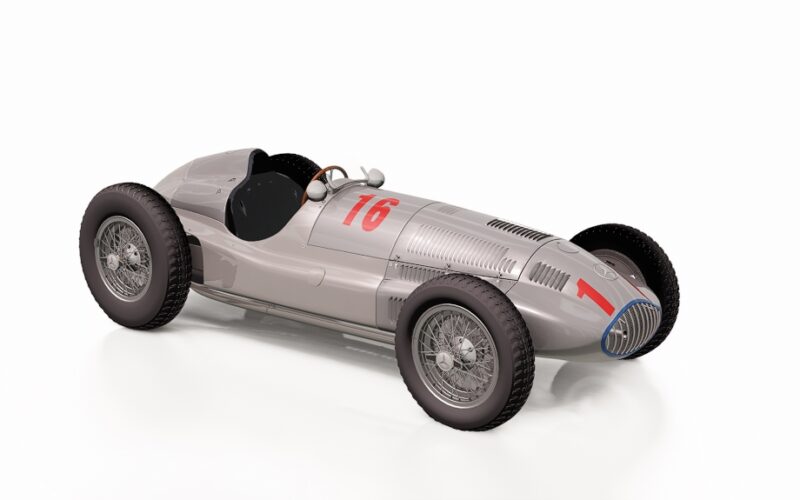 |
The Mercedes W154 Grand Prix car was a highly successful racing car produced by Mercedes-Benz in 1938 and 1939. It was powered by a supercharged 3.0-liter V12 engine that produced over 450 horsepower. The W154 achieved numerous victories in various Grand Prix races, including winning the European Championship in 1938 and 1939. Instruments:
| |||||||||
| 1939 | Mercedes W154 | 426 | 1217 | 2,86 | 400 | 71,4 | 0,15 | 15 | 5/5 | TBA |
|
The Mercedes W154 Grand Prix car was a highly successful racing car produced by Mercedes-Benz in 1938 and 1939. It was powered by a supercharged 3.0-liter V12 engine that produced over 450 horsepower. The W154 achieved numerous victories in various Grand Prix races, including winning the European Championship in 1938 and 1939. Instruments:
| |||||||||
| 1939 | Auto Union Type D | 420 | 982 | 1,89 | 225 | 56,8 | 0,2 | 25 | 3/5 | TBA |
|
The 1938 Auto Union Type D was a cutting-edge Grand Prix car from the Silver Arrows era, designed to compete under the new 3.0-liter formula. Powered by a 3.0-liter supercharged V12 engine, it produced 420 horsepower, delivering immense speed and acceleration. The mid-engine layout, a hallmark of Auto Union's designs, provided improved weight distribution, though the car's handling remained challenging. With its streamlined body and advanced engineering, the Type D achieved significant success, cementing Auto Union's reputation as a pioneer in Grand Prix innovation. Instruments:
| |||||||||
| 1939 | Alfa Romeo 158 “Alfetta” | 175 | 725 | 4,14 | 200 | 79,4 | 0,2 | 25 | 3/5 | TBA |
|
The 1938 Alfa Romeo 158 was a groundbreaking Grand Prix car that became one of the most successful designs in motorsport history. Powered by a 1.5-liter supercharged straight-8 engine, it initially produced 200 horsepower, with later iterations far surpassing this. Lightweight and meticulously engineered, the 158 featured independent front suspension and exceptional aerodynamics, providing superb handling and speed. Dominating pre-war and post-war racing, the "Alfetta" laid the foundation for Alfa Romeo's legendary Grand Prix success. Instruments:
| |||||||||
Point System
| Position | 1 | 2 | 3 | 4 | 5 | 6 | 7 | 8 | 9 | 10 | 11 | 12 | 13 | 14 | 15 | 16 | 17 | 18 | 19 | 20 | 21 | 22 | 23 | 24 | 25 | 26 | 27 | 28 | 29 | 30 |
| Points | 34 | 31 | 29 | 27 | 26 | 25 | 24 | 23 | 22 | 21 | 20 | 19 | 18 | 17 | 16 | 15 | 14 | 13 | 12 | 11 | 10 | 9 | 8 | 7 | 6 | 5 | 4 | 3 | 2 | 1 |
30 first finishers get championship points.
Financial system
The championship uses its own financial ecosystem. Each driver is given certain amount of championship credits that he will then use to buy and repair cars and to pay possible penalty fees. The system is designed to favor clean drivers as every collision big enoug will mean repair fee and thus reduces the drivers' budget. Crash a lot and you may be declared to bankrupcy but race cleanly and your budget will flourish.
During inter war era it was mandatory to finish the race to get points. We award points to every driver that are on the grid, but to reflect that we reward credits of only finished races, so race carefully.
| Event | Amount | Alternatively |
|---|---|---|
| Starting credits | 45000 cr | |
| Reward from every finished race per driver | 20000 cr | |
| Repair fee from every collision over 50 km/h | 5000 cr | or the current value of the car |
| Repair fee from every collision over 100 km/h | 10000 cr | or the current value of the car |
| Repair fee from every collision over 150 km/h | 15000 cr | or the current value of the car |
| Repair fee from every collision over 200 km/h | 20000 cr | or the current value of the car |
| Repair fee from every collision over 250 km/h | 25000 cr | or the current value of the car |
| Repair fee from every collision over 300 km/h | 30000 cr | or the current value of the car |
| You can sell your car, but with following reductions: | ||
| Car loses it's value from every race | 10 % | |
| Car loses it's value from every year even if it's not raced | 10 % | |
| GP car's update to match Indy 500 regulations | 50% of new car's value | At minimum 20 000 cr |
Drivers can also form teams of maximum 3 persons. Then their credits are handled as one. If the team breaks, its credits are divided evenly to each of its former drivers. If driver/team can't afford the repair fee, driver will be declared in bankrupcy. Driver can start all over but will lose all the cars he/she has at that point. Driver/team can also sell their owned car to fellow competitor with the reductions mentioned in the table.
As USA series had different regulations, GP cars can't attend Indy 500 as they are. They need to make legal unsupercharged engine, alter gearbox, fuel and tyres so driver must either buy a legal indycar or modify the GP car of choice to fit the specs and regulations. The cost for that is 50% of a new car price or at minimium 20 000 cr.
Follow the finances in real time on this post.
Sic! Organiser is permitted to adjust the rules of financial system along the way, if it seems to improve it.
Rules
General CVR racing rules apply on this championship.
Passing
The praxis was that slower cars kept to the right and was passed to the left. Because of the great dangers involved drivers discipline seem to have been much higher than nowadays. In those days the drum brakes had a hard time to keep up with the forces involved and the drivers usually tried to have some safety margin between the cars so that they did not have to rely too much on hard braking. Note that the driver in front was supposed to give room, even if he was on the same lap. A driver depending too much on blocking or using his "right of line" as it is called nowadays could find himself in trouble!
Race Control
The championship manager checks collisions after every race from the race logs and informs the drivers about the needed repair fees.
If you feel you have suffered from illegal actions of other drivers you can submit a protest of the incident. The race marshalls will then evaluate the situation and may pass sentence by reducing championship points and/or credits.
Race Schedule
Dates may change a bit once the league progresses, but this is what we have now.
| 1. | 8 Feb 2025 - 19:00 UTC | 1922 I. Grosses Opel-Rennen @ Opel-Rennbahn |
|
Additional info: Rolling start, random grid
Car(s): Cars manufactured on year 1922 or before
Race length: 50 laps (about 0,5 h)
In-game date/time: 25.6. - 14:00
Race weather: Dynamic
|
||
| 2. | 16 Mar 2025 - 18:00 UTC | 1923 Grand Prix de l'Automobile Club de France @ Tours |
|
Additional info: Rolling start, random grid
Car(s): Cars manufactured on year 1923 or before
Race length: 17 laps (about 2,5 h)
In-game date/time: 2.7. - 8:00 - 2x time progression
Race weather: Dynamic
|
||
| 3. | 13 Apr 2025 - 17:00 UTC | 1923 I Gran Premio de España @ Sitges-Terramar |
|
Additional info: Rolling start, random grid
Car(s): Cars manufactured on year 1923 or before
Race length: 200 laps (about 2,5 h)
In-game date/time: 29.10. - 11:30
Race weather: Dynamic
|
||
| 4. | 11 May 2025 - 17:00 UTC | 1924 Gran Premio d'Italia @ Monza '25 |
|
Additional info: Standing start, one by one, random grid
Car(s): Cars manufactured on year 1924 or before
Race length: 40 laps (about 2,5 h)
In-game date/time: 19.10. - 10:00
Race weather: Dynamic
|
||
| 5. | 8 Jun 2025 - 17:00 UTC | 1925 Eifel-Rennen @ Nideggen (Feldbergring dirt) |
|
Additional info: Standing start, random grid
Car(s): Cars manufactured on year 1925 or before
Race length: 20 laps (about 2 h)
In-game date/time: 19.6. - 6:15
Race weather: Dynamic
|
||
| 6. | 6 Jul 2025 - 17:00 UTC | 1925 Grand Prix d'Europe @ Spa 20s |
|
Additional info: Standing start, one by one, random grid
Car(s): Cars manufactured on year 1925 or before
Race length: 20 laps (about 2,5 h)
In-game date/time: 28.7. - 10:00
Race weather: Dynamic
|
||
| 7. | 17 Aug 2025 - 17:00 UTC | 1926 II Grand Prix de Provence @ Miramas '26 |
|
Additional info: Standing start, one by one, random grid
Car(s): Cars manufactured on year 1926 or before
Race length: 50 laps (about 2 h)
In-game date/time: 25.9. - 14:30
Race weather: Dynamic
|
||
| 8. | 28 Sep 2025 - 17:00 UTC | 1927 Nürburgring Eröffnungsrennen @ Nürburgring Gesamtstrecke 30s |
|
Additional info: Standing start, random grid (by ballot)
Car(s): Cars manufactured on year 1927 or before
Race length: 10 laps (about 2,5 h)
In-game date/time: 19.7. - 10:00
Race weather: Dynamic
|
||
| 9. | 26 Oct 2025 - 18:00 UTC | 1928 Coppa Acerbo @ Pescara |
|
Additional info: Standing start, random grid
Car(s): Cars manufactured on year 1928 or before
Race length: 10 laps (about 2 h)
In-game date/time: 4.8. - 9:00
Race weather: Dynamic
|
||
| 10. | 23 Nov 2025 - 18:00 UTC | 1929 Coppa Pietro Bordino @ Circuito di Alessandria (Fonteny dirt) |
|
Additional info: Standing start, one by one, random grid
Car(s): Cars manufactured on year 1929 or before
Race length: 10 laps (about 2 h)
In-game date/time: 21.4. - 10:00
Race weather: Dynamic
|
||
| 11. | 14 Dec 2025 - 18:00 UTC | 1930 II Grand Prix de Monaco @ Monaco 30s |
|
Additional info: Standing start, random grid
Car(s): Cars manufactured on year 1930 or before
Race length: 100 laps (about 3,5 h)
In-game date/time: 6.4. - 13:00
Race weather: Dynamic
|
||
| 12. | 18 Jan 2026 - 18:00 UTC | 1931 XVII Grand Prix de l'Automobile Club de France @ Montlhéry full |
|
Additional info: Standing start, one by one, random grid
Car(s): Cars manufactured on year 1931 or before
Race length: 3 hours
In-game date/time: 21.6. - 8:00
Race weather: Dynamic
|
||
| 13. | 15 Feb 2026 - 18:00 UTC | 1932 Indianapolis 500 @ Indianapolis 30s |
|
Additional info: Qualifying by 4 lap consecutive solo lap time. Rolling start
Car(s): Indy specs cars manufactured on year 1932 or before
Race length: 120 laps (about 3 h)
In-game date/time: 30.5. - 10:00
Race weather: Dynamic, no rain
|
||
| 14. | 22 Mar 2026 - 18:00 UTC | 1933 II Eläintarhanajot @ Eläintarharata |
|
Additional info: Standing start, one by one
Car(s): Cars manufactured on year 1933 or before
Race length: 50 laps (about 1 h)
In-game date/time: 7.5. - 15:00
Race weather: Dynamic
|
||
| 15. | 19 Apr 2026 - 17:00 UTC | 1933 II British Empire Trophy @ Brooklands Outer |
|
Additional info: Standing start, single line across the track
Car(s): Cars manufactured on year 1933 or before
Race length: 45 laps (about 1 h)
In-game date/time: 1.7. - 12:00
Race weather: Dynamic
|
||
| 16. | 10 May 2026 - 17:00 UTC | 1934 Norges Grand Prix @ Mjøsa Ice |
|
Additional info: Standing start
Car(s): Cars manufactured on year 1934 or before
Race length: 15 laps (about 1 h)
In-game date/time: 25.2. - 14:30
Race weather: Dynamic
|
||
| 17. | 7 Jun 2026 - 17:00 UTC | 1934 IX Gran Premio de España @ Lasarte - San Sebastian (Battenbergring) |
|
Additional info: Standing start, one by one, random grid
Car(s): Cars manufactured on year 1934 or before
Race length: 30 laps (about 2,5 h)
In-game date/time: 23.9. - 12:00
Race weather: Dynamic
|
||
| 18. | 5 Jul 2026 - 17:00 UTC | 1935 Grand Prix de Pau @ Pau '67 |
|
Additional info: Standing start
Car(s): Cars manufactured on year 1935 or before
Race length: 80 laps (about 2,5 h)
In-game date/time: 24.2. - 14:00
Race weather: Dynamic
|
||
| 19. | 16 Aug 2026 - 17:00 UTC | 1935 XXVI Targa Florio @ Targa Florio |
|
Additional info: Standing start, one by one, random grid
Car(s): Cars manufactured on year 1935 or before
Race length: 3 laps (about 2,5 h)
In-game date/time: 28.4. - 11:15
Race weather: Dynamic
|
||
| 20. | 13 Sep 2026 - 17:00 UTC | 1936 IX Grosser Preis von Deutschland @ Nordschleife '67 |
|
Additional info: Standing start, random grid
Car(s): Cars manufactured on year 1936 or before
Race length: 16 laps (about 2 h)
In-game date/time: 26.7. - 11:00
Race weather: Dynamic
|
||
| 21. | 11 Oct 2026 - 17:00 UTC | 1936 I George Vanderbilt Cup Race @ Roosevelt Raceway 36 |
|
Additional info: Standing start, quali by 5 lap average time
Car(s): Cars manufactured on year 1936 or before
Race length: 50 laps (about 3 hours)
In-game date/time: 12.10. - 12:00
Race weather: Dynamic
|
||
| 22. | 8 Nov 2026 - 18:00 UTC | 1937 VI Internationales Avus Rennen @ Avus full |
|
Additional info: Standing start
Car(s): Cars manufactured on year 1937 or before
Race length: 8 laps (about 35 min) (heats + finale if necessary)
In-game date/time: 30.5. - 15:00
Race weather: Dynamic
|
||
| 23. | 6 Dec 2026 - 18:00 UTC | 1937 Belgian GP @ Spa 30s |
|
Additional info: Standing start, random grid
Car(s): Cars manufactured on year 1937 or before
Race length: 34 laps (about 3 h)
In-game date/time: 11.7. - 13:00
Race weather: Dynamic
|
||
| 24. | 10 Jan 2027 - 18:00 UTC | 1937 XII° Gran Premio di Tripoli @ Autodromo di Mellaha - Tripoli |
|
Additional info: Standing start
Car(s): Cars manufactured on year 1937 or before
Race length: 40 laps (2,5 h)
In-game date/time: 15.5. - 15:00
Race weather: Dynamic
|
||
| 25. | 7 Feb 2027 - 18:00 UTC | 1938 IV Donington Grand Prix @ Donington '38 |
|
Additional info: Standing start
Car(s): Cars manufactured on year 1938 or before
Race length: 64 laps (about 2,5 h)
In-game date/time: 1.10. - 12:00
Race weather: Dynamic
|
||
| 26. | 7 Mar 2027 - 18:00 UTC | 1939 VI Grosser Preis der Schweiz @ Bremgarten |
|
Additional info: Standing start
Car(s): Cars manufactured on year 1939 or before
Race length: 30 laps (about 1 h)
In-game date/time: 20.8. - 14:00
Race weather: Dynamic
|
||